
Why Peru Is a Cultural and Historical Treasure
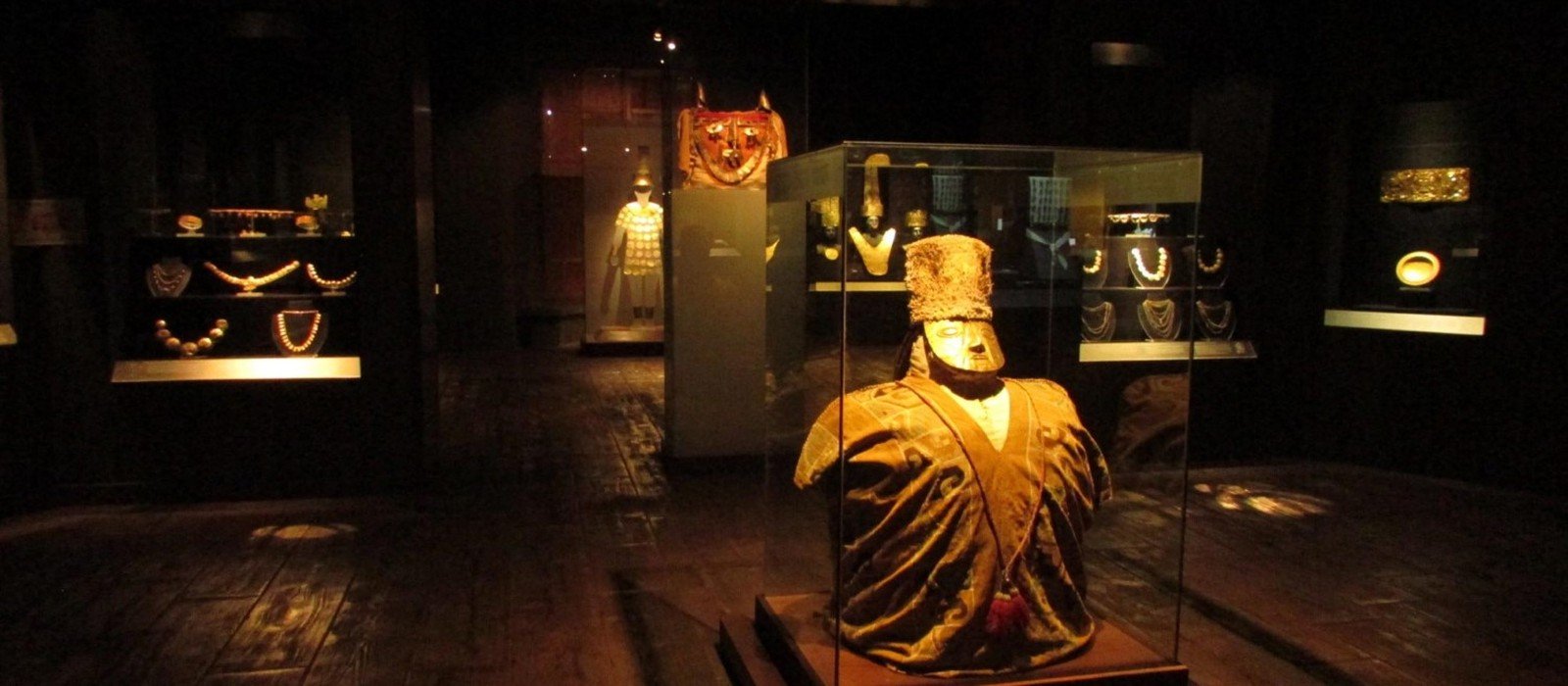
Peruvian culture is blessed with so many different layers. Even before the Incas came along, ancient civilizations shaped the lands of the Pacific coast, the Andes, and the Amazon. The Incas organized the Andes around balance, reciprocity, innovation, and most importantly, a respect for nature. The Spanish arrived, leaving churches, the now official language of Peru, and also many contradictions. Modern Peru grew from all of these influences combined. Bringing forward ancestral traditions from the different regions into the way of life today in the country.
Overview of Peruvian Culture
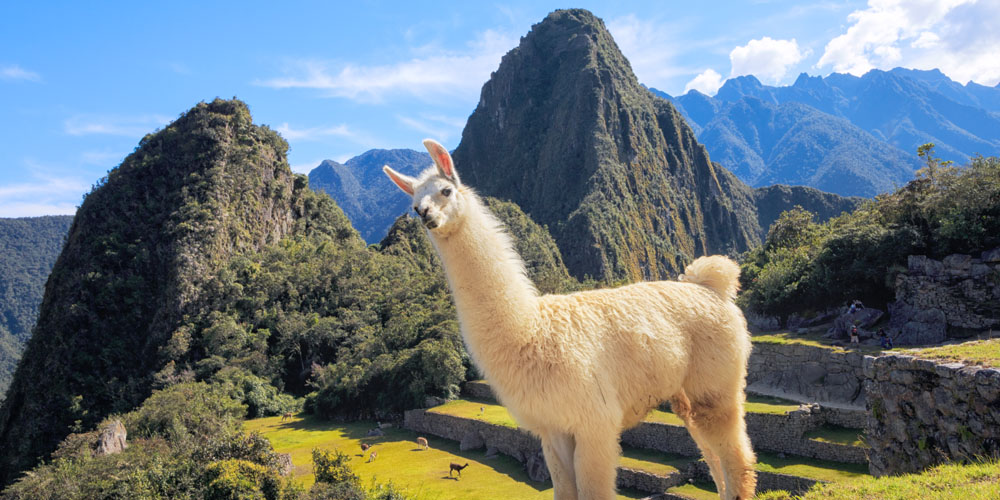
Peruvian culture is woven from many threads as varied and colorful as the Andean textiles of the country. This wonderfully combines Ancient Andean civilizations, the Inca worldview, Spanish colonial influence, African and Chinese heritage, and modern Peruvian life. Rather than replacing one another, these layers coexist and are intermingled. You can see it for yourself on the narrow streets of Cusco, taste it in Arequipa’s traditional kitchens, hear it in the indigenous languages spoken across the highlands, and feel it just about everywhere in the country. The coast has its laidback vibe, the Andes has its ancient traditions and spirituality, and the Amazon has untouched nature around every turn.
Andean, Inca, Colonial & Modern Influences
The Andean region today is a world where tradition never vanished; it just simply adapted.
Inca foundations still support colonial churches in the Andes, especially Cusco.
Pre-Inca agricultural cycles still guide Farmer abut when to plant their crops.
Spanish architecture, Catholic ceremony, and the modern Peruvian identity live side by side with ancient ancestral beliefs, based on balance, reciprocity, or “ayni” and harmony with the natural environment.
Why Cultural Travelers Love Peru
Cultural travelers generally decide to visit Peru because it offers so much more than ruins. The country offers a genuine human connection and an alignment with the universe. Communities welcome visitors with open arms. Every behaviour or action is based n a respect for the earth and the planet as a whole. Peru is a country that shares everything with those who travel with open eyes and an open heart.
What makes Peru unique for cultural travelers is that history here is actually living. Farmers still read the stars. Weavers still encode stories into their textiles. Markets still function as social centers, and base don community. Our Peru culture and history tours take you directly into that continuity — gently, respectfully, and with time to absorb it.
Top Cultural & Historical Experiences in Peru ( Quick Overview)
Our cultural and historical tours focus on places where history lives and breathes. Although we visit all the signature sights, we can also admire the different scenery and the indigenous communities that are full of Peruvian character, authenticity, and warmth. Peru’s cultural heart is not confined to one region. Each region teaches something different about life, belief sytems and humanity as a whole.
Cusco & Sacred Valley Cultural Highlights
Cusco was once the heart of the Inca empire and all of the Andean region. Today, its streets reveal layers of all the different epochs of history. Still living and breathing from centuries ago. The Sacred Valley is an extention this story with its Inca terraces, religious temples, and living Quechua communities that still live in the same way their ancestors did, in harmony with the Mother Earth.
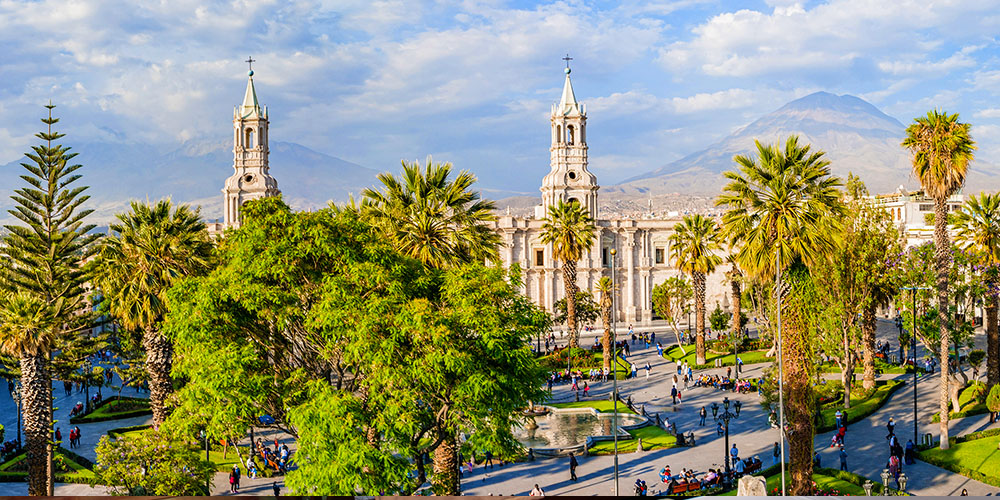
Arequipa & Colonial Heritage
Arequipa’s white volcanic ashis used to construct buildings in the Arequipa region. The city’s cathedral, mansions, and plazas ooze colonial ambition. Local traditions, including regional food, local festivals, and family life, continue to exist today and are deeply ingrained beneath the surface of the Andean foothills.
Ica & South Coast Traditions
Along the coast, south of Lima, history makes a shift again. Vineyards, desert oases, and Afro-Peruvian box drum beats tell a different story. One of migration, African influence, hard labor, Perus´national tipple, and cultural blending. This shaped Peru´s Pacific coastline and modern Peru beyond the Andes.
Coffee, Cacao, and Andean Communities
In the cloud forests, coffee and cacao are community lifelines. Cultural visits here reveal a respect for the land and living in harmony with nature. Flora and fauna rule the roost, and the values of the people are central to Andean belief systems.
Archaeological Icons
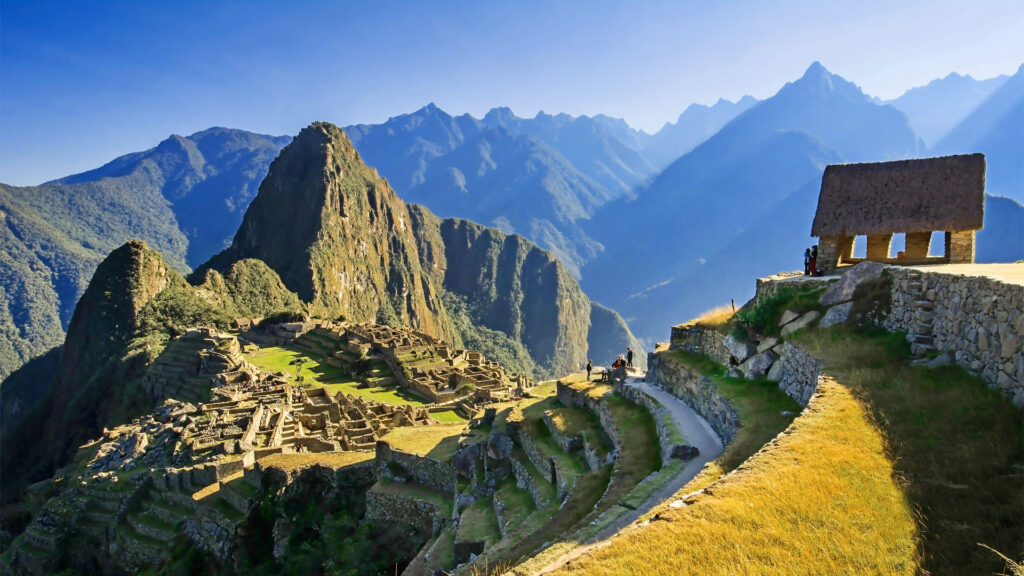
Machu Picchu and the Sacred Valley are part of a vast sacred geography where mountains, water, and sky were considered living beings. Archaeology is everywhere, centuries old, and in an excellent state of preservation. History, culture, and Andean energy collide spectacularly all over these magical towns in the Andes mountains.
Living Andean Culture – Communities, Traditions & Daily Life
The Andes mountains form the backbone of Peru, separating the Pacific Ocean from the Amazon. Through the mountains live descendants of the Incas who once ruled the land in this part of the world. We are lucky enough today to be able to visit authentic living communities that show how people lived all those years ago. The best example of living culture and history in the Andes. This allows you to experience authentic Peruvian traditions and customs in a real and authentic way.
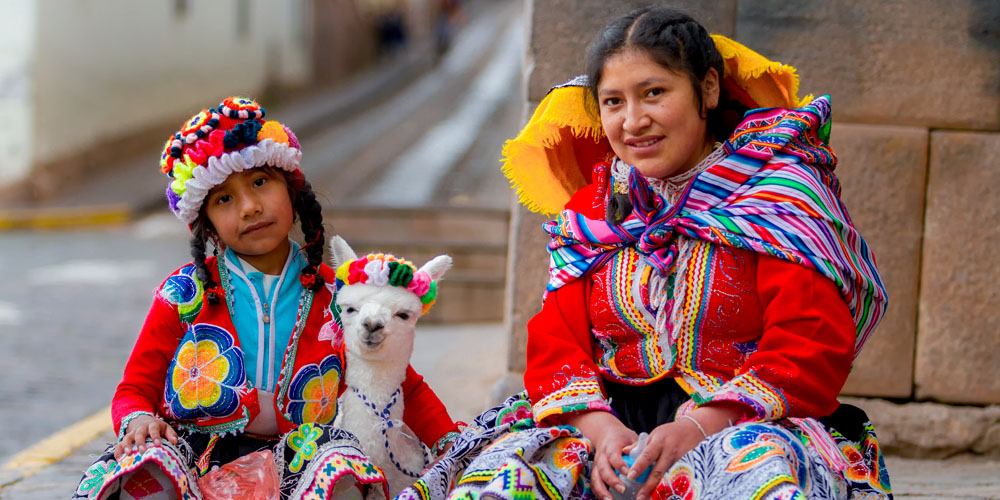
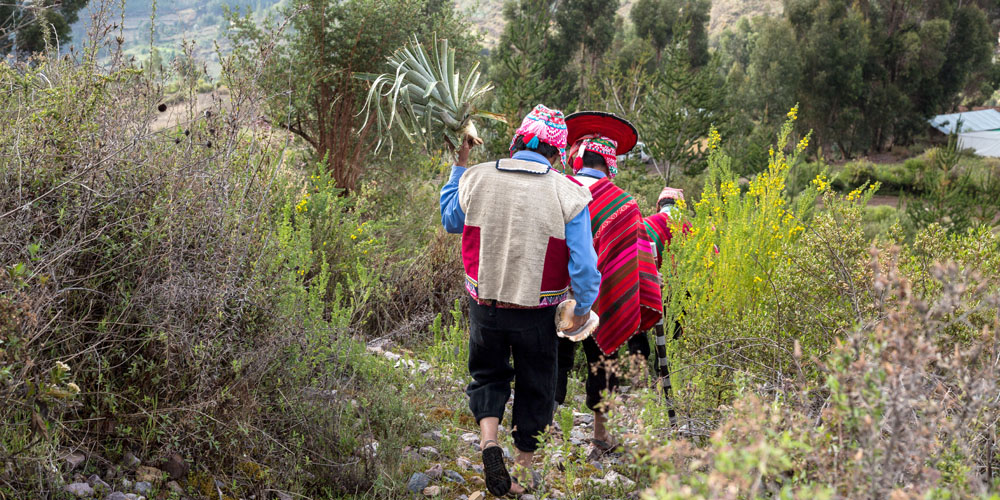
Misminay Andean Community
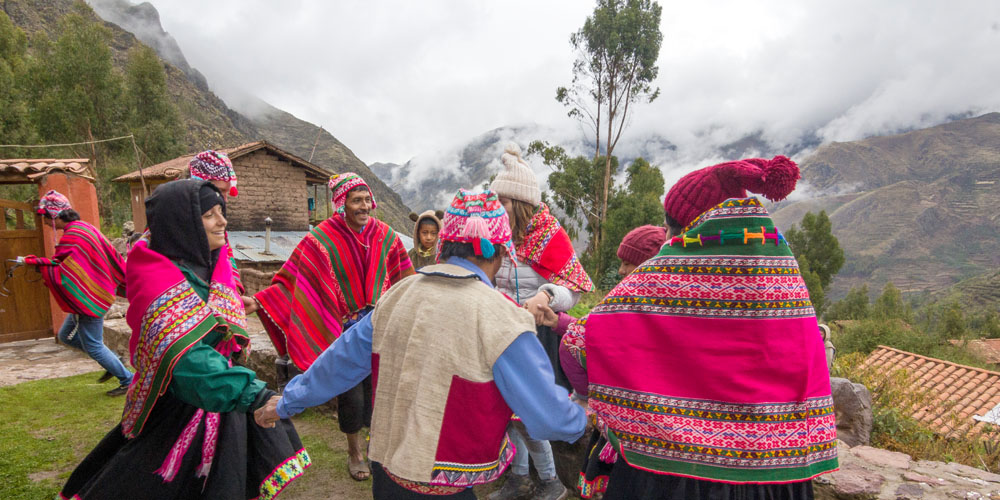
In the highlands above the Sacred Valley, near Maras and Moray, the Misminay community offers a window into everyday Andean life. The local people are authentic and sincere. Farming, weaving, and ancient ceremonies like a “pago a la tierra” follow traditions that are older than written history.
Ccaccaccollo Homestay Experiences
Stay with a family in the Ccaccaccollo community for a truly authentic and immersive experience. Shares meals, shared work, shared stories are all grounded in ayni, the Andean philosophy of reciprocity. Life is still live in the same way since Inca times in this remote Andean community
Traditional Agriculture & Weaving
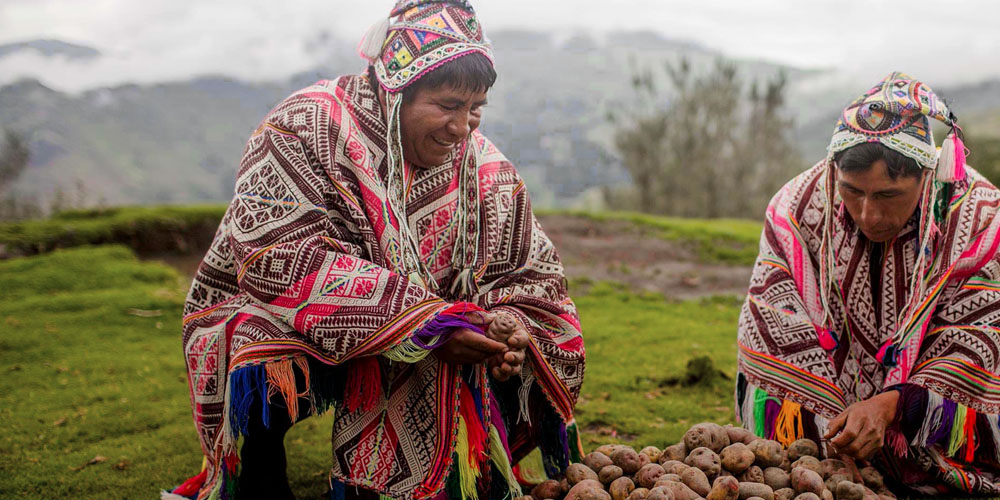
Potatoes are catalogued like a part of the family. Learn all about how ancient Peruvians farmed, preserved, and prepared this vital food source. Textiles carry history and Andean culture through colors and patterns. These are forms of ancient knowledge passed from Andean ancestors and still a way of life to witness on Sacred Valley Cultural Tours
Cosmovisión Andina basics
The Andean worldview sees humans as part of nature. This philosophy that quietly reshapes how travelers see the world. At the heart of Andean philosophy is balance: Between people, nature, and the spiritual world. “Ayni” is an integral aspect of life in the Andes. Pachamama (Mother Earth) is honored and respected for all she provides. This view of the world and the universe shapes everything you will be able to experience on our Peru cultural travel packages
Colonial History & Architectural Heritage
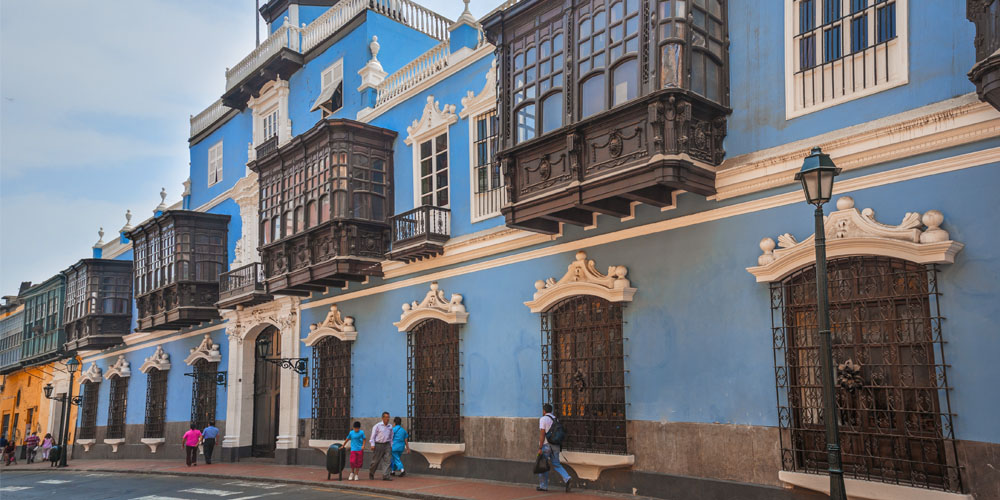
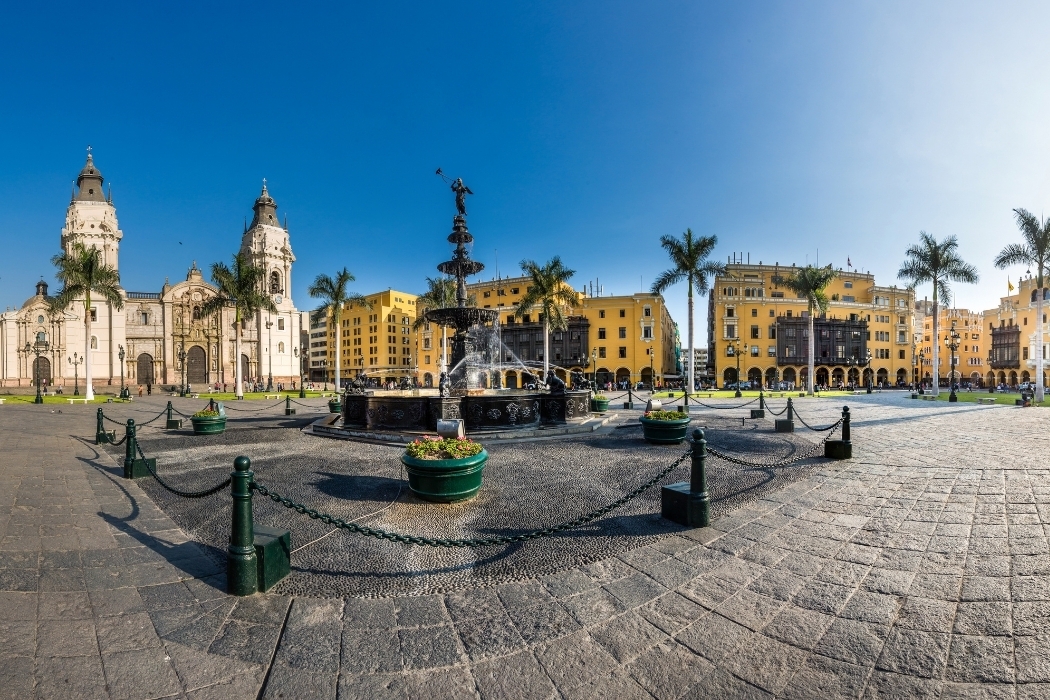
Colonial history in Peru reveals a complex relationship between Indigenous civilizations and Spanish rule. Spanish influence reshaped Peruvian cities, religion, government, and the Peruvian people. Yet Indigenous knowledge adapted, resisted, and survived within those new ways of thinking brought by the Spanish Conquerors. The result of this coming together of culturesis a unique architectural and cultural blend found nowhere else in the world. Peruvian history tours offer insight into how Peru evolved into its modern identity.
Arequipa’s White City & Santa Catalina Convent
Santa Catalina is like a city within a city. silent alleys, painted walls, and centuries of religious devotion. It reflects how Spanish religious life adapted to Andean life and the nuns lived here for centuries, adapting to the different way of life.
Ica’s Cultural Landmarks
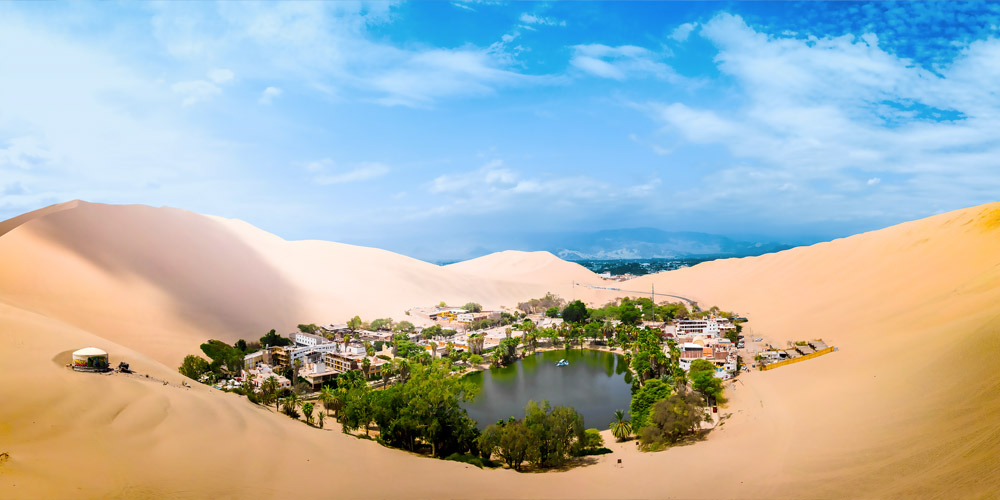
Colonial churches and grand haciendas in Ica tell stories of trade, wine, and social transformation along the coast of Peru. Peru´s most famous tipple, Pisco, was first produced here. Paracas is on the coast, the Huacachina sand dunes are in the nearby desert, and the mysterious Nazca Lines are close by.
Cusco’s Colonial-Influenced Architecture
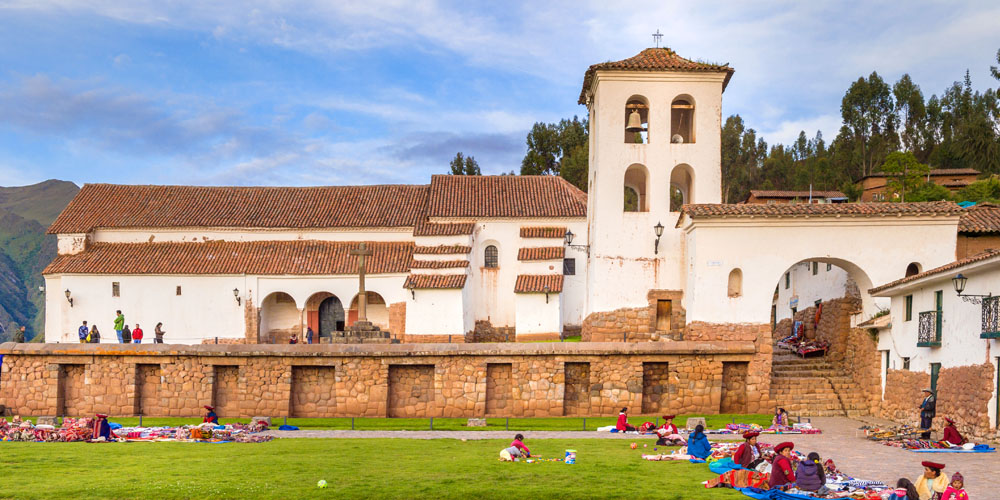
Spanish churches were often built directly on top of Inca foundations. This was to impose some kind of authority on the local Peruvian people. Today, those same stones remind us that cultures here never fully replaced one another. They simply learned how to live together and adapt to a new way of life.
Gastronomic Culture – Food, Cacao & Coffee
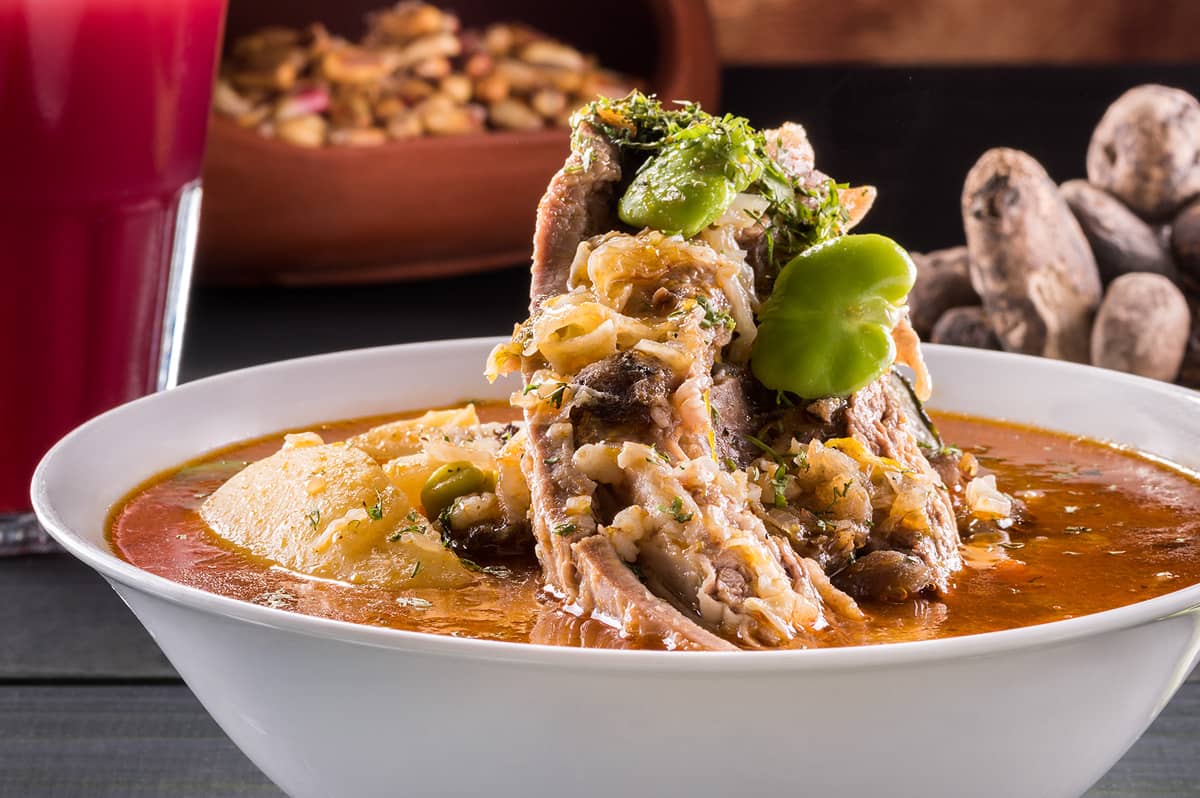
Cuisine in Peru is history you can actually taste. Every dish or plate is representative of geography, climate, and tradition. Food-focused cultural experiences in Peru reveal how ancient crops like potatoes, corn, and quinoa combined with colonial and global influences to create one of the world’s most diverse cuisines.
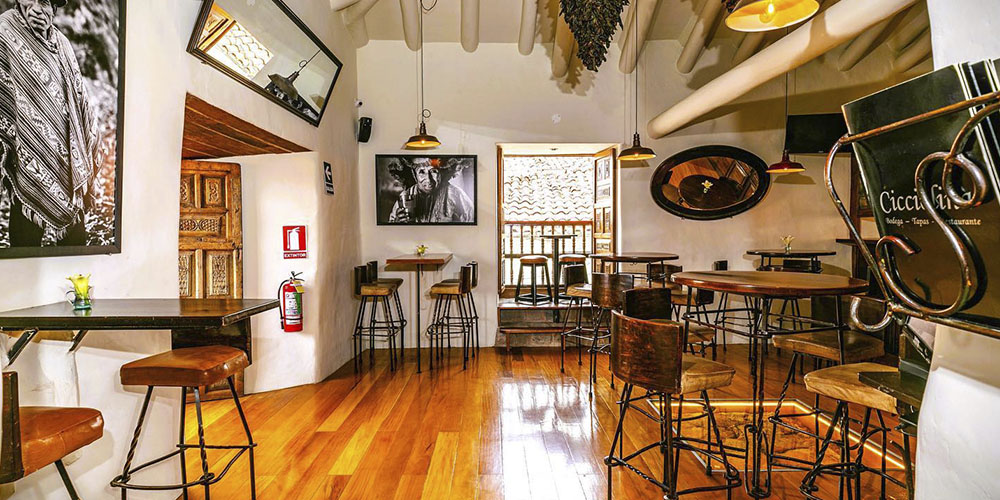
Peruvian Culinary Heritage
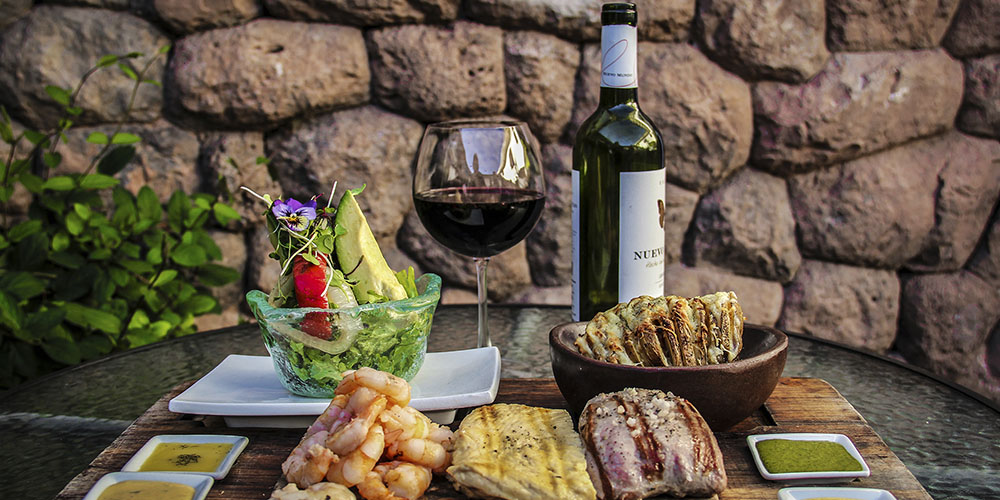
Peruvian food is like a memory on a plate. Ingredients travel from the coast, mountains, and jungle. Recipes change by altitude and weather conditions. Meals are communal, family-based, comforting, and a way to demonstrate reciprocity. Travelers visiting Machu Picchu as part of Cusco cultural tours gain a deeper understanding when the site is placed within the wider context of the Sacred Valley.
Coffee and Cacao Production
Walking a coffee or cacao farm shows us that every harvest depends on climate, care, and time. These values are central to Andean life today. Coffee and cacao production in Peru is also culturally important in the cloud forest regions.. Grown in Andean and cloud forest regions, these crops sustain local economies. They also preserve traditional farming techniques. Gastronomic experiences are great for Peru culture explained.
Arequipa Cooking Experiences
Cooking in Arequipa is storytelling. Each dish reflects volcanic soil, colonial influence, and local generation creativity. Arequipa is one of Peru’s most important culinary cities.
The traditional dishes are a blend of both colonial heritage and strong regional traditions.
Participating in Arequipa cultural tours allows travelers to engage directly with local gastronomy,
from market visits to hands-on preparation of classic dishes. These kinds of experiences are vital for excellent Peru cultural travel packages because they reveal how much food is central to social life, regional pride, and historical prowess in southern Peru.
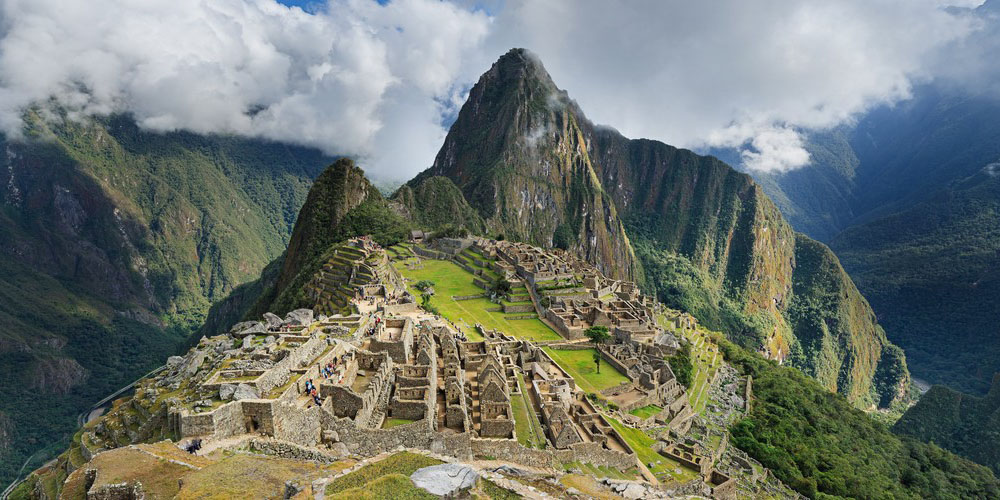
Machu Picchu & Sacred Valley Cultural Importance
Machu Picchu is a combination of the spiritual expression of the Inca belief system and their incredible engineering mastery.
Train Routes to Machu Picchu
The famous phrase about the journey being as important as the destination has never been more true when you travel to Machu Picchu. Trains follow the route of the river that flows through the Sacred Valley. This river was considered sacred by the Incas, tracing routes once walked by pilgrims and “chaskis” or messengers.
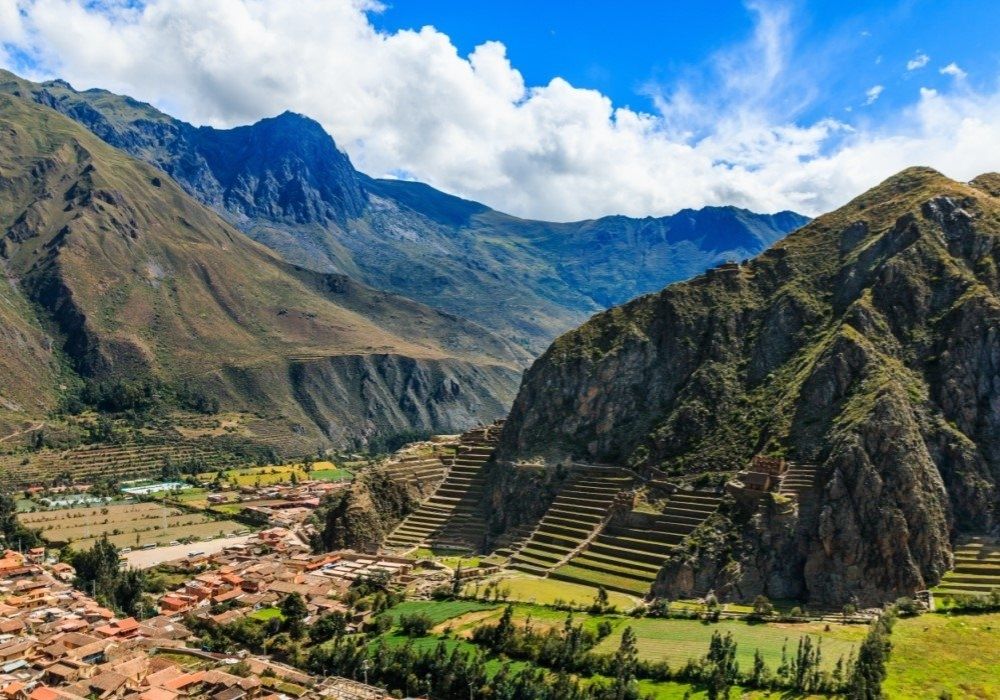
Sacred Valley in Inca History
This valley is the next valley along from the Cusco valley and once fed the Inca empire. Both physically and spiritually. Its intricate terraces, archaeological sites, and authentic living villages still function within that same original purpose of nurturing and providing. was a place where crops grew which did not usually grow at such a high elevation. This is why the Incas named the valley as such, and you can see it on our Sacred Valley cultural tours.
The Best Cultural Tours in Peru
Here (insert tour links), you can find our complete collection of Peru culture and history tours, including Sacred Valley experiences, community immersions, colonial city explorations, gastronomic journeys, and Machu Picchu cultural routes. Each tour is expertly designed with time, respect, and authenticity in mind, for a truly “real” Peru experience.
How to Choose a Cultural Tour in Peru
Selecting the right cultural experiences in Peru depends on your own travel interests, the pace you want to travel, and most importantly, the desire for true connection.
Level of Immersion
Some travelers want observation and to look at life, either through a lens or in a museum. Other travelers prefer participation. Luckily, Peru offers both. The key to authentic travel in the country is choosing intentionally what activities you want to take part in.
Time Available
Even short Peru cultural travel packages can be meaningful if they are focused, well-designed, and unhurried.
Personal Interests
Food, archaeology, community life, colonial history, Andean tradition, Peru doesn’t ask you to choose just one. Peru invites you to weave them all together. Whatever your interests, Peru has something to captivate your soul.
FAQs About Culture & History Tours in Peru
Have questions about your tour? You’re not alone. Here we cover the most common topics — from packing tips and safety to transportation and accommodations. Whether you’re heading to Machu Picchu, the Amazon, or beyond, this section will help you feel prepared and confident.
Cusco and the Sacred Valley offer some of the best examples of Andean traditions. However, every Peruvian region has its own different, distinctive cultural depth. Culture oozes into the streets wherever you happen to be.
Yes, when you travel responsibly, like on one of our tours. Our partnerships are long-term, thoroughly checked out, regularly inspected, and most importantly, community-led.
Dry season (May–September) offers clearer weather, though cultural life continues year-round. However, in shoulder sean ou can visit with lot fewer people and still have good weather. Rainy season is from December to March, yet it still holds its charm. The good news is that Peru can be traveled all year round!
Listen first. Your guide will explain what is accepted and whatis not. Always ask before photographing. Accept hospitality with gratitude.
We don’t design tours from offices far away. We design them from where the tours take place, in and around Cusco, and from personal experience. Our philosophy and focus are based on the following:
- Community-based partnerships
- Local expert guides who share the real way of life, not acted out scripts
- We travel inmall groups and at an unhurried pace.
- We have a deep respect for Andean values and traditions
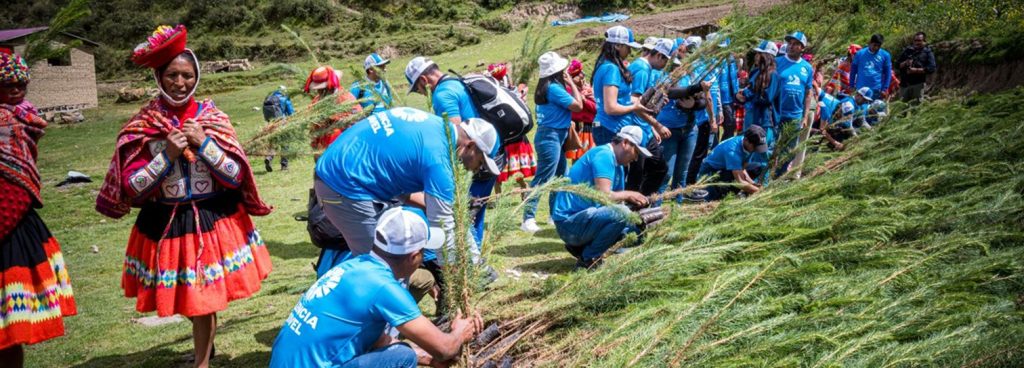
Travel, for us, is not about consumption. We truly believe that tourism is an honest relationship with local communities and the land.
René Hurtado Valencia
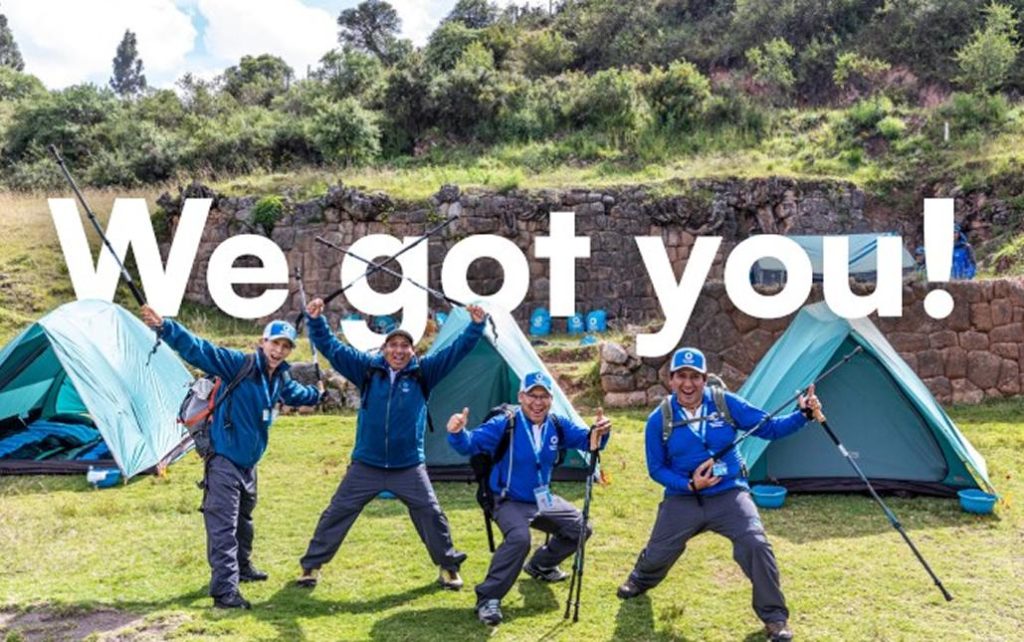
They’ll accompany you on the journey and arrive before you… so everything’s ready. Then all you have to do is focus on enjoying this wonder.
CEO & Founder