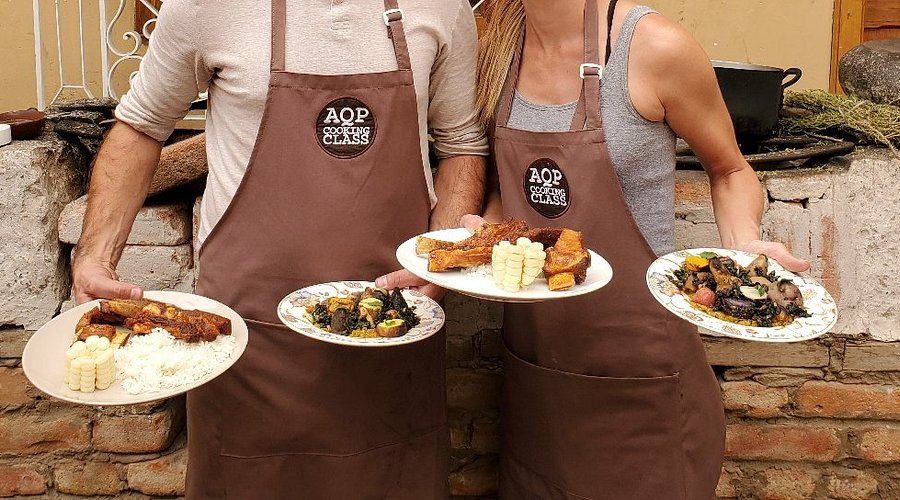


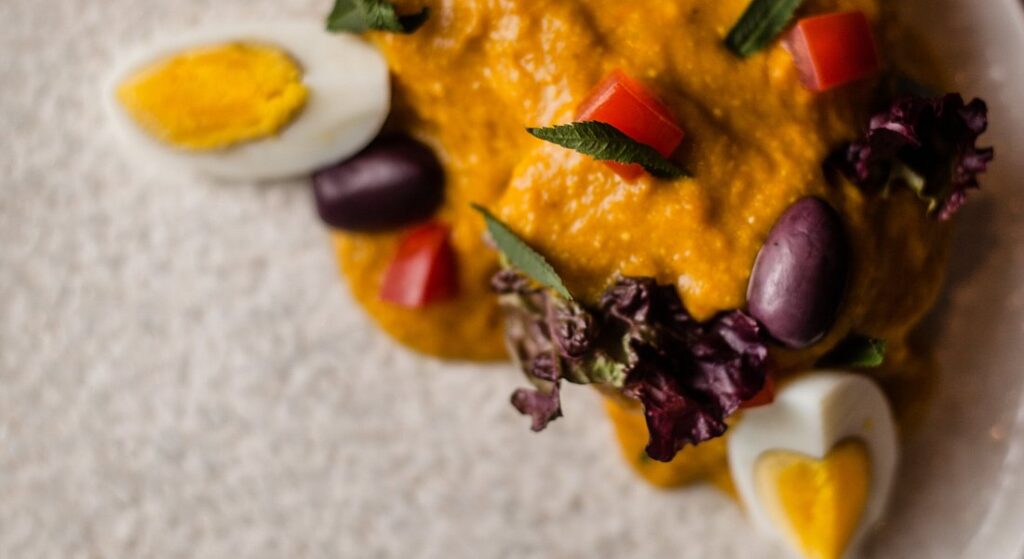
There’s a moment almost every traveler remembers. You’ve just landed in Peru. The air feels different—crisp in the Andes, warm and humid in the Amazon. The streets are alive, the food smells incredible, and everything feels like the beginning of something unforgettable.
Then, a few days later… your stomach reminds you that you’re not home anymore. If you’ve traveled through places like Cusco, the Sacred Valley, or even Lima, you’ve probably heard stories like this—or lived one yourself.
The truth is, getting sick in Peru isn’t rare. But it’s also not something you have to accept as part of the experience.
With a bit of awareness and a few smart habits, you can enjoy everything—from street-side snacks to high-end restaurants—without turning your trip into a recovery mission.
Food Poisoning or Altitude Sickness? The Confusing First Days
One of the most disorienting parts of arriving in high-altitude destinations like Cusco is that your body doesn’t quite know how to react. You wake up feeling off. Slight headache. Maybe a bit nauseous. You don’t feel like eating much. So you start wondering… Was it something I ate? Or is it the altitude?
Here’s where it gets tricky: Both altitude sickness and food poisoning can feel surprisingly similar in the beginning.
You might experience:
- Nausea
- Loss of appetite
- Fatigue
- Headaches
- Even vomiting
And when you’re walking through cobblestone streets at 3,300 meters (11,000 ft), your body is already under pressure. A lot of travelers misinterpret these early symptoms and either ignore them or panic too soon.
From experience, a good rule is this:
- If symptoms are mild and improve with rest → likely altitude
- If things escalate (diarrhea, cramps, urgency) → likely food-related

Either way, don’t try to “push through it.” Peru has reliable clinics, especially in tourist areas, and getting checked early can save you days of discomfort.
Water in Peru: The Invisible Risk Most People Underestimate
Let’s talk about the one thing that causes most issues—and the one people underestimate the most.
Tap water.
In Peru, especially outside major urban systems, water treatment standards are very different from what most international travelers are used to. It’s not necessarily “dirty”—it’s just biologically unfamiliar to your system.
Locals grow up with it. You didn’t.
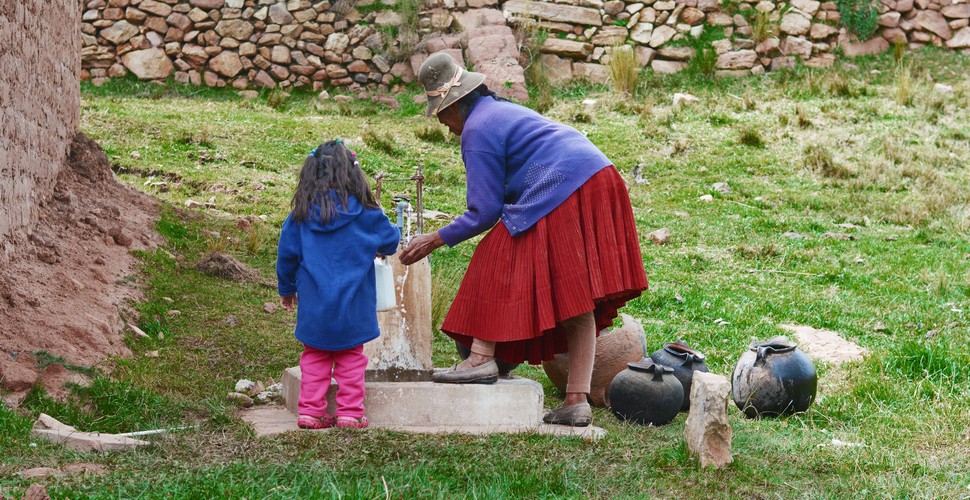
And that difference matters.
But here’s where travelers make mistakes—not by drinking tap water directly, but by overlooking the small moments:
- Brushing your teeth without thinking
- Accepting a fresh juice at a market
- Having a cocktail with ice in a random bar
- Eating fruit rinsed in untreated water
These are the “silent risks.”
Even a small exposure can be enough to trigger stomach issues.
Safe Water Rules You Should Follow
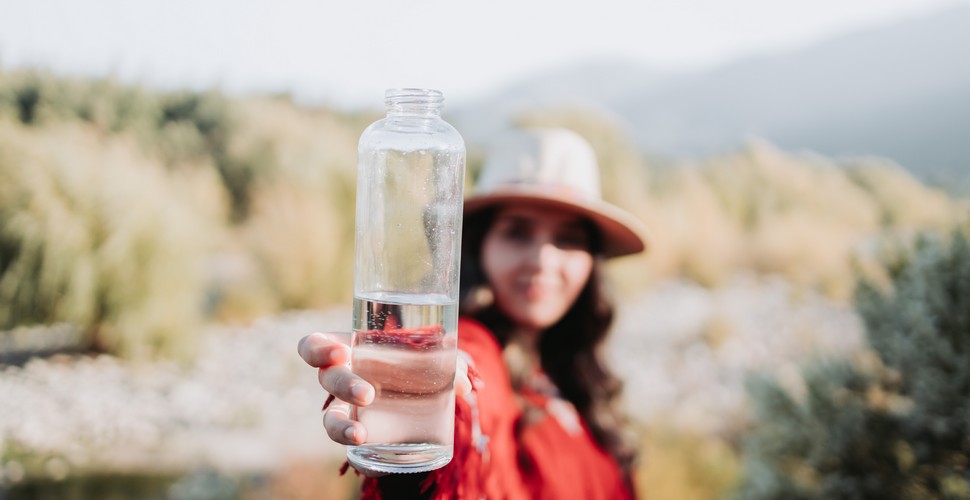
- Only drink bottled or properly purified water
- Use bottled water even for brushing your teeth
- Be cautious with anything that might include water
Some travelers carry purification tools, others boil water—but if your trip is short, bottled water is the easiest and safest route.
Street Food in Peru: Where Culture Meets Risk
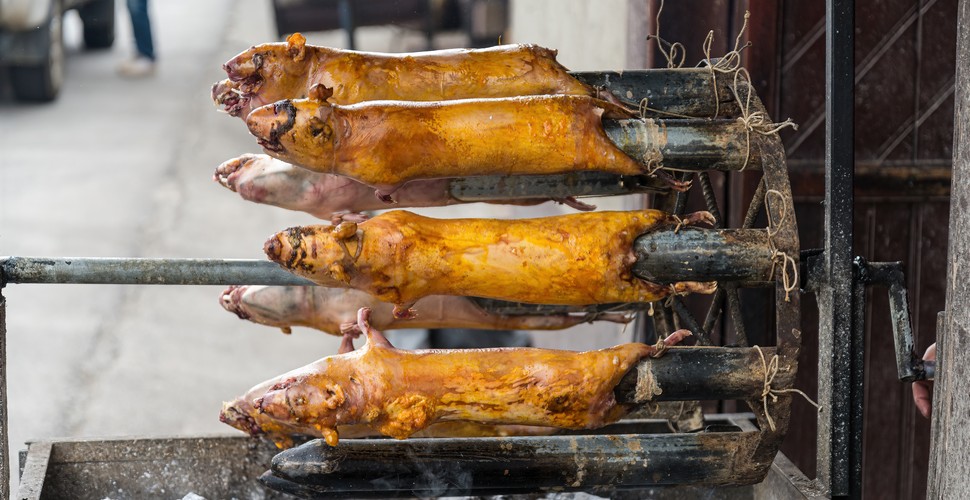
Street food in Peru isn’t just food—it’s culture. You’ll walk past sizzling grills, smell skewers of meat cooking over open flames, see locals gathering around carts that have probably been there for years.
It’s tempting. And honestly? Some of it is incredible.
But here’s the reality:
Street food is also where hygiene is hardest to control.
How to Choose Safer Street Food
Look for:
- High turnover (lots of locals eating)
- Food cooked fresh, right in front of you
- Heat—real heat kills bacteria
What to Avoid
Be cautious with:
- Food that’s been sitting out
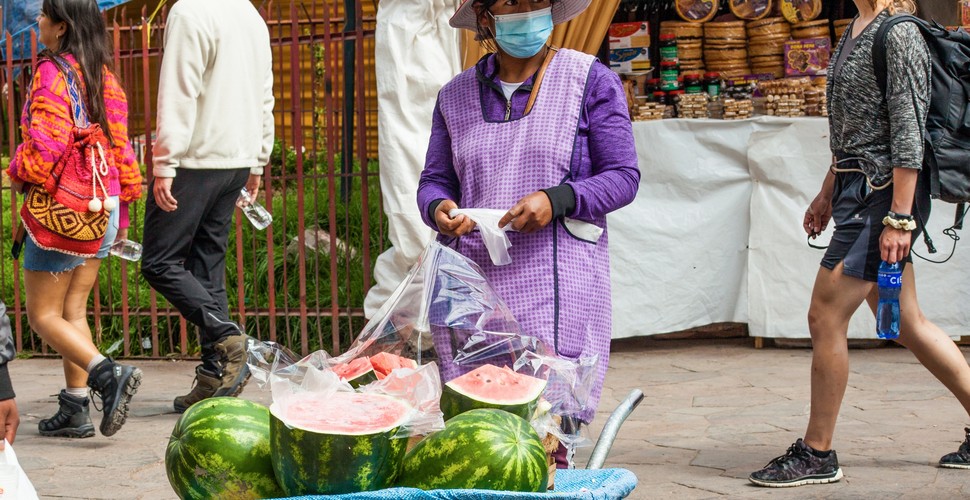
- Pre-cut fruits exposed to air
- Dairy-based items or creams
- Ice cream carts (especially under the sun)
If you’re traveling for a short, once-in-a-lifetime trip—like visiting Machu Picchu—it’s worth being a bit more selective. Because losing even 2–3 days to illness can mean missing something you’ve waited years to experience.
Pisco Sours: A Small Risk Worth Understanding
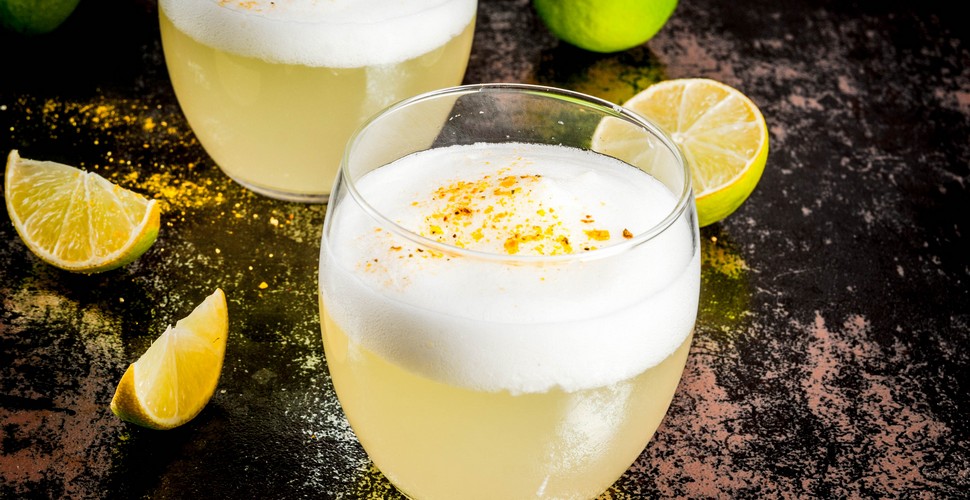
Trying a Pisco Sour isn’t optional—it’s part of being in Peru. But it’s also one of those drinks that quietly combines two potential risks:
- Ice (which may or may not be purified)
- Raw egg white
What You Should Ask Before Ordering
“Is the ice made with purified water?”
Most places will understand exactly why you’re asking.
And from experience?
Many travelers enjoy several Pisco Sours without any issue at all.
Just choose the place—not just the drink.
The Golden Rule for Eating Safely in Peru
At some point, you don’t want to analyze every bite—you just want to enjoy the food. That’s where a simple rule becomes incredibly helpful:
“Cook it, peel it… or leave it.”
What’s Safe to Eat
Go for:
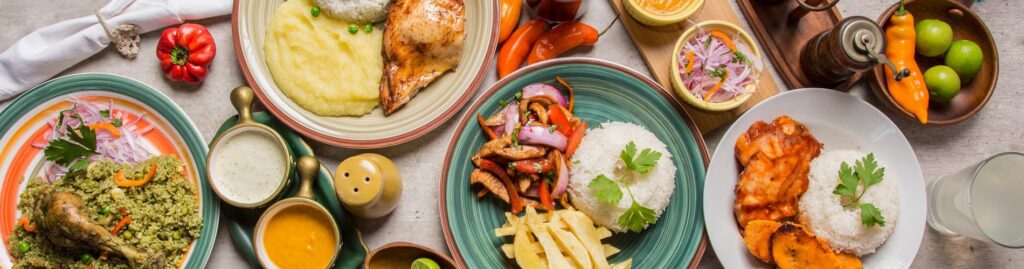
- Freshly cooked meals served hot
- Grilled, fried, or boiled dishes
- Fruits you can peel yourself.
What to Be Careful With
Be cautious with:
- Salads (often washed in tap water)
- Raw vegetables
- Buffets that have been sitting out
In places like Sacred Valley, where many restaurants pride themselves on fresh, organic ingredients, it’s easy to assume everything is safe. But “organic” doesn’t always mean “safe for travelers.”
Small Habits That Quietly Protect You
What often makes the biggest difference isn’t one big decision—but small, consistent habits.
- Carry hand sanitizer (soap isn’t always available)
- Choose busy restaurants over empty ones
- Check recent reviews before sitting down
- Be cautious with fresh juices unless you’re sure they’re pure (“zumo”)
These aren’t restrictions—they’re filters that help you enjoy more and risk less.
Extra Protection (If You Want Peace of Mind)
Some travelers use Pepto-Bismol as a preventive measure during their trip. Research has shown it can reduce the risk of traveler’s diarrhea significantly when taken regularly. It’s not essential—but for some, it adds peace of mind. As always, check with your doctor before using it this way.
What to Do If You Get Sick in Peru
Despite doing everything right, sometimes it still happens. And if it does—you’ll know.
Common Symptoms
- Urgent trips to the bathroom
- Stomach cramps that come in waves
- Nausea, sometimes fever
It’s unpleasant—but also very common.
What to Expect from Healthcare in Peru
Healthcare in Peru is:
- Accessible
- Affordable
- Familiar with traveler-related issues
Doctors can quickly identify whether it’s bacterial or parasitic and treat it effectively. Most people recover within a few days.

Final Thought: Don’t Travel in Fear—Travel Smart
Peru is one of those places where food is not just part of the trip—it is the trip. From coastal ceviche to Andean comfort food and Amazonian flavors, every region tells its story through what’s on your plate.
Yes, there are risks. But with awareness—not fear—you can experience it fully. Because the goal isn’t to avoid food in Peru. It’s to enjoy it… without interruption.
Travel well. Eat boldly. Stay aware.