Salkantay Trek to Machu Picchu – 5-Day High Andes Adventure



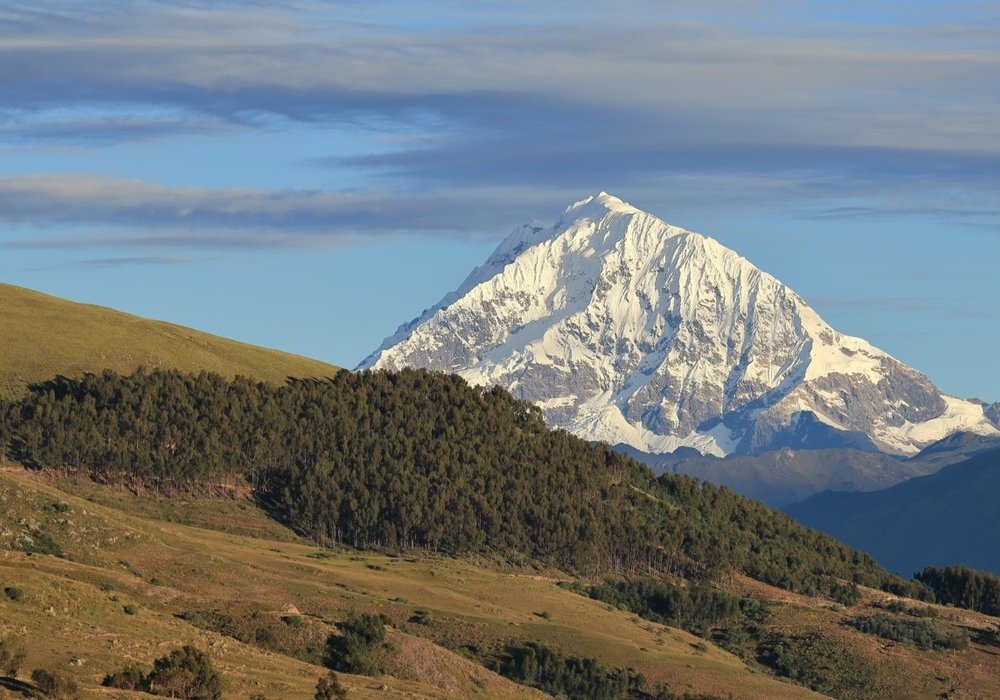
The Salkantay Trek to Machu Picchu ,is an Andean trek across mountains from part of the Andean mountain range near Cusco, and very close to the Machu Picchu region. The sacred geography of this region is probably the second -most popular after the Inca Trail, and soars to more than 20,000 feet above sea level. The Apu Salkantay is the twelfth highest peak in the Peruvian Andes, it is worshipped as a deity by the local residents, of Inca descent. These are magical lands where every peak, river, gust of wind and scenic view carries the echoes of a fascinating past when the Incas once ruled.
It is for these highland communities that this trail is a living and breathing roadway to transit from the Andes to the Amazon with Apu Salkantay standing as one of the protectors. Trekkers can walk in reciprocity, by practicing the ancient Inca philosophy of ayni. This is the Andean concept of exchange for the good of all beings. This can be between humans and mountains, between the past and the present, the communities and producers, in fact it is interwoven into the fabric of everyday life in this region.
This pathway was once part of an intricate road network called the Qapaq Ñan. Listen carefully and you may still hear the echoes of chaskis, pilgrims, local farmers, and Andean priests with their next important message from the Apu to the Inca. Along this alternative trek to Machu Picchu, you will encounter communities who preserve many ancient traditions, who plant their crops according to lunar cycles, and offer ceremonies to the Pachamama, or the Mother Earth who is responsible for next year’s crops.
Your presence is guided by a commitment to responsible travel valuing local wisdom, respecting customs ,supporting community livelihoods, and treading lightly on earth that has been sacred for centuries.
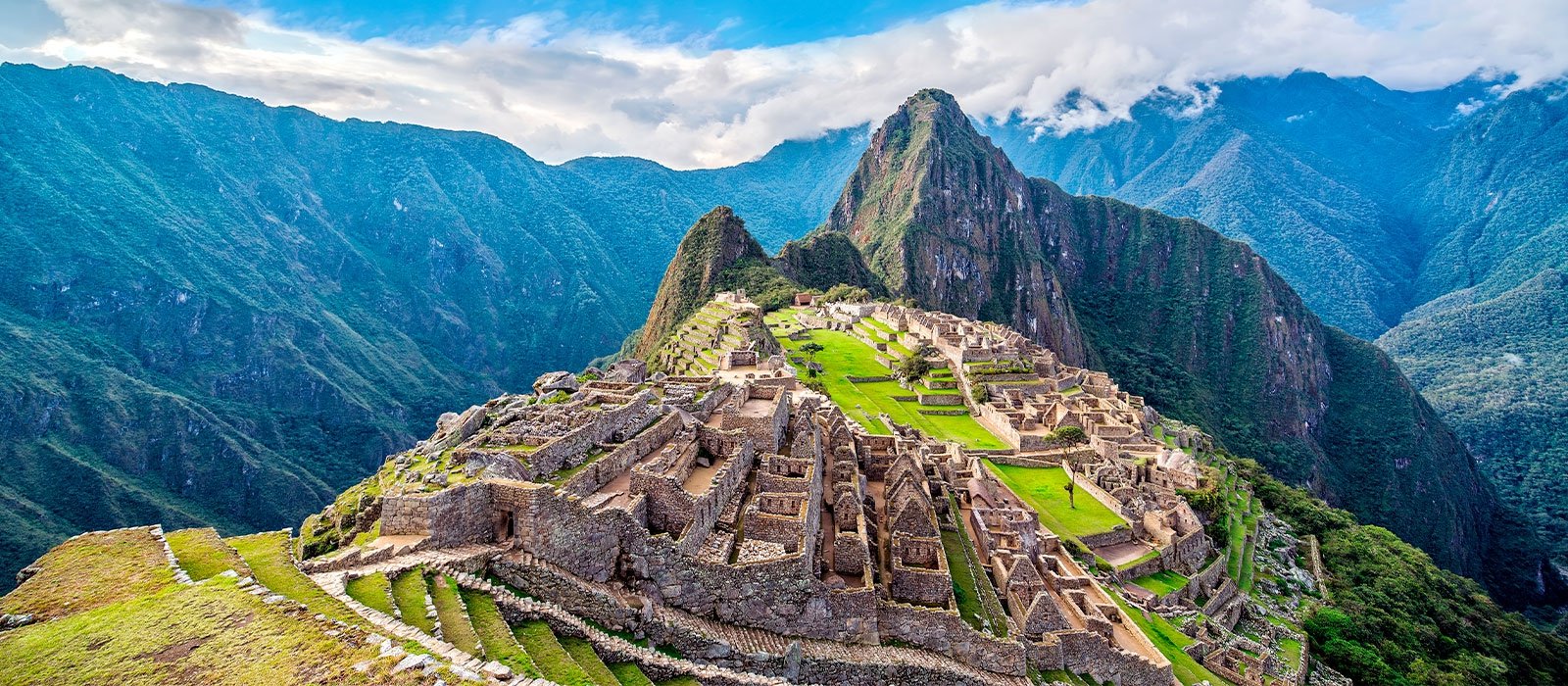
The trek of course, ends at Machu Picchu, but its true essence will have hit you a long time beforehand , hiking the Trail, on this Classic Salkantay trek itinerary.




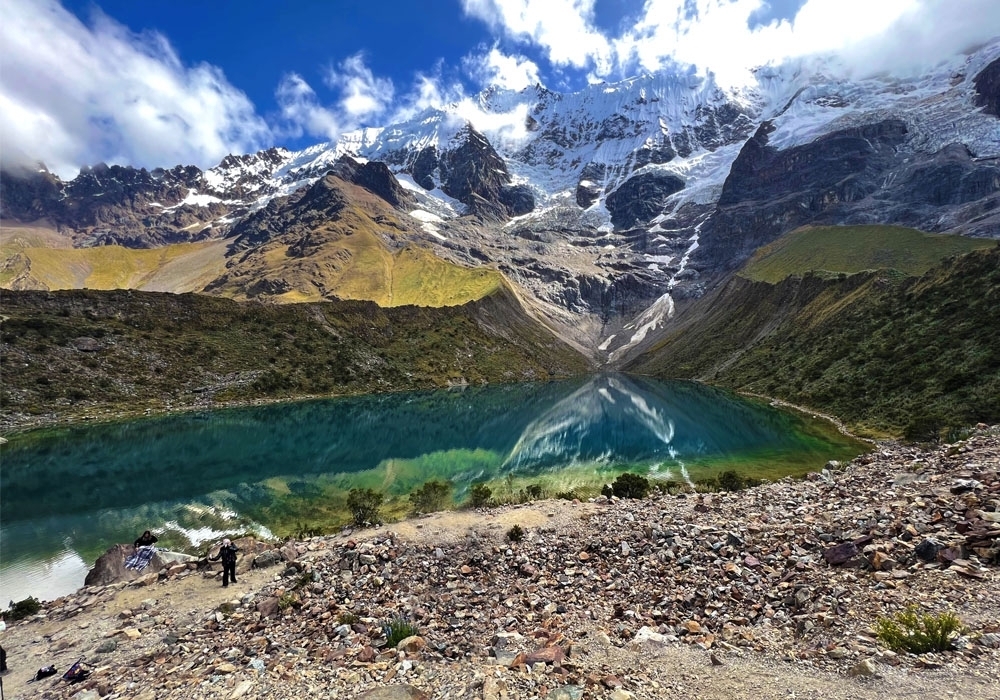
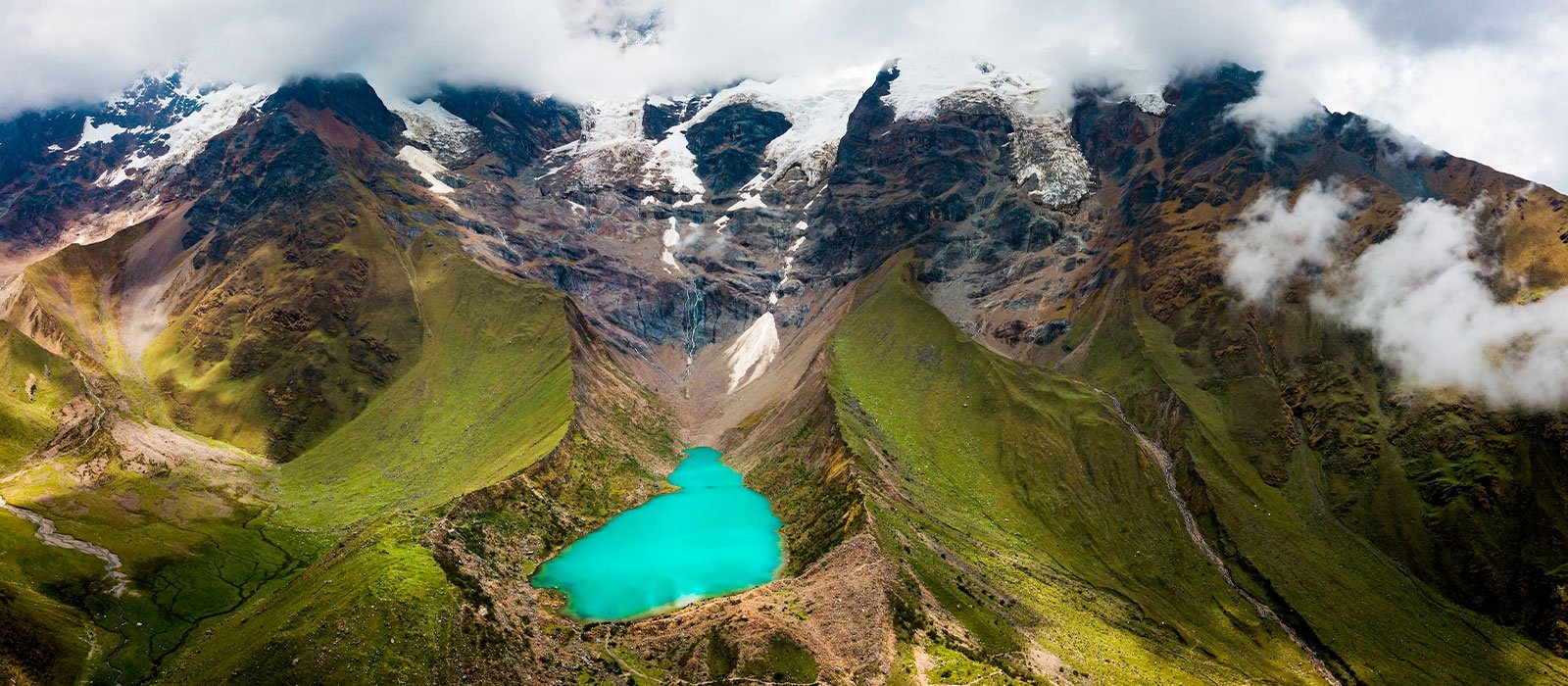
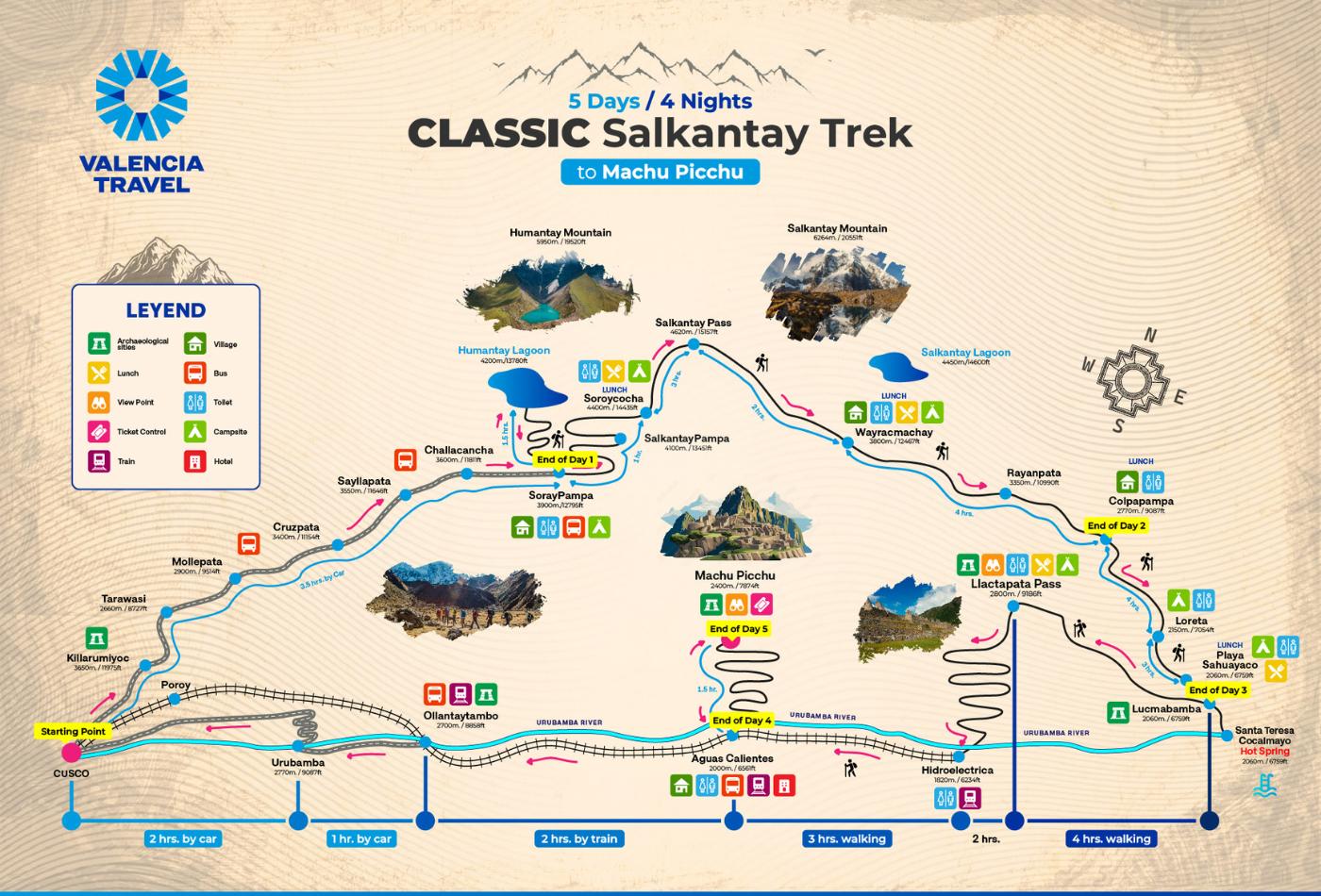
Your 5-day Salkantay trek guided tour Peru begins before sunrise, when Cusco’s residents are just opening their eyes. Your local guide will explain all about the Sacred Mountain Salkantay mythology, as you travel to the trailhead in the highlands at Soraypampa, where tales of the Incas are still around today. In the afternoon, we will hike toward the turquoise waters of Humantay Lake, a high-altitude glacial lagoon that anchors the Salkantay trek itinerary with Humantay Lake. Here, your guide may offer a traditional k’intu coca-leaf blessing to honor the apus and ask for safe trekking conditions, based on customs that local Quechua communities still use today.
This first day is gentle, and will ease you into the trek and is perfect for travelers comparing the Salkantay trek vs Inca Trail, seeking the best Salkantay trek experience without the large crowds of more touristic areas.
Distance: 12 km
Max altitude: 4,200 m
Camp: 3,900 m
Accommodation: tent
 Meals:
All Included.
Meals:
All Included.
 Tour Guide:
Local Tour Guide: English/Spanish.
Tour Guide:
Local Tour Guide: English/Spanish.
 Transfer:
Cusco – Mollepata – Soraypampa.
Transfer:
Cusco – Mollepata – Soraypampa.
 Entrance Fee:
Salkantay Trek and Humantay Lake
Entrance Fee:
Salkantay Trek and Humantay Lake
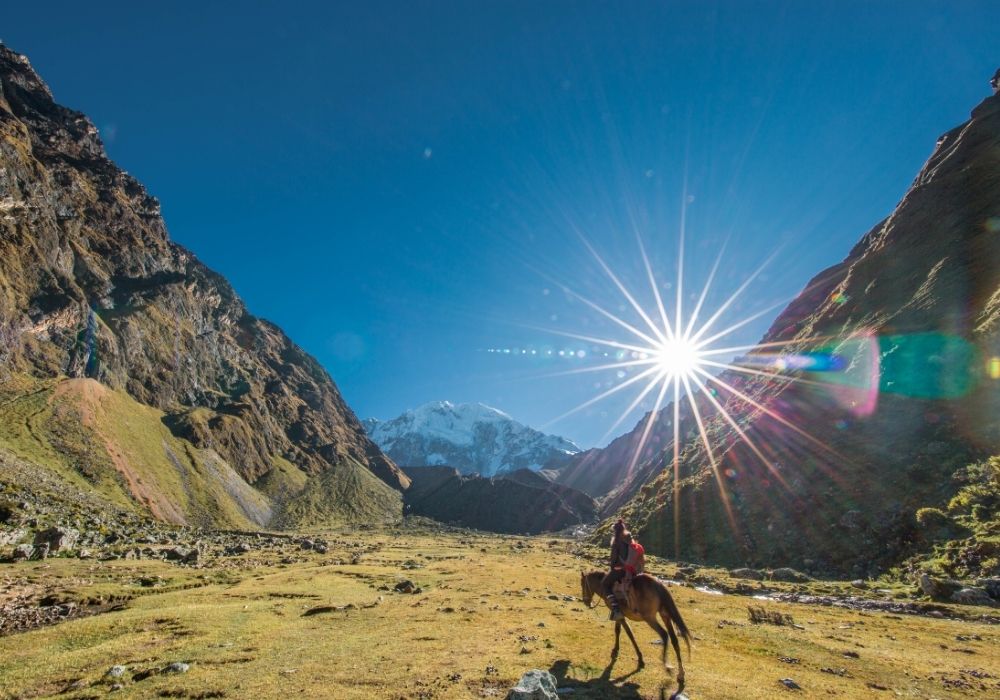
 Horseman and Mules:
To carry cooking and camping equipment.
Horseman and Mules:
To carry cooking and camping equipment.
 Camp site:
Salkantaypampa (Tent per 2 people).
Camp site:
Salkantaypampa (Tent per 2 people).
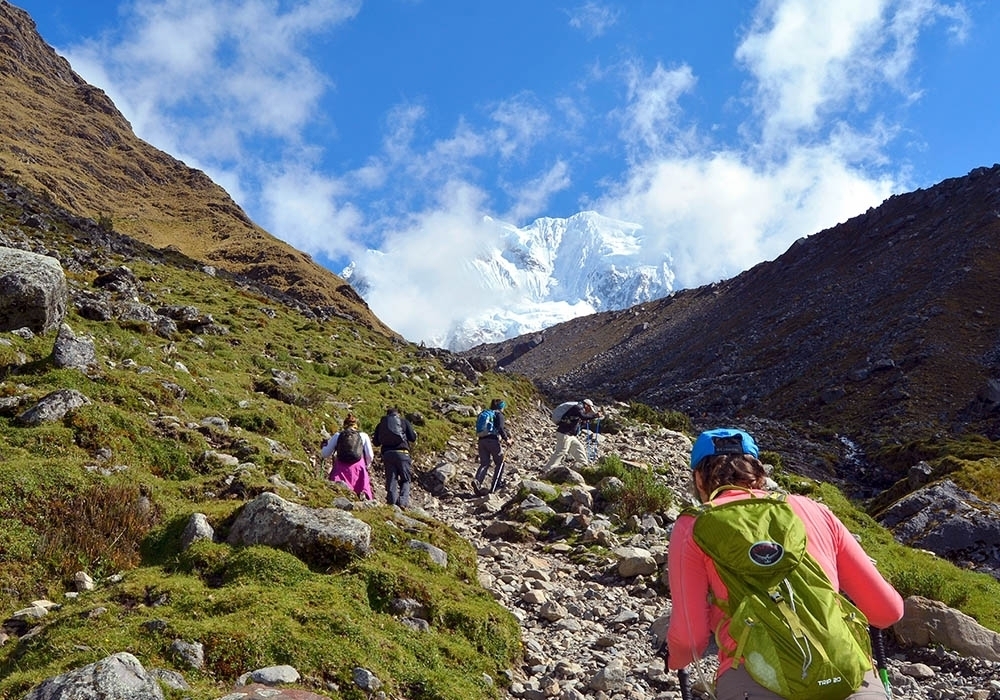


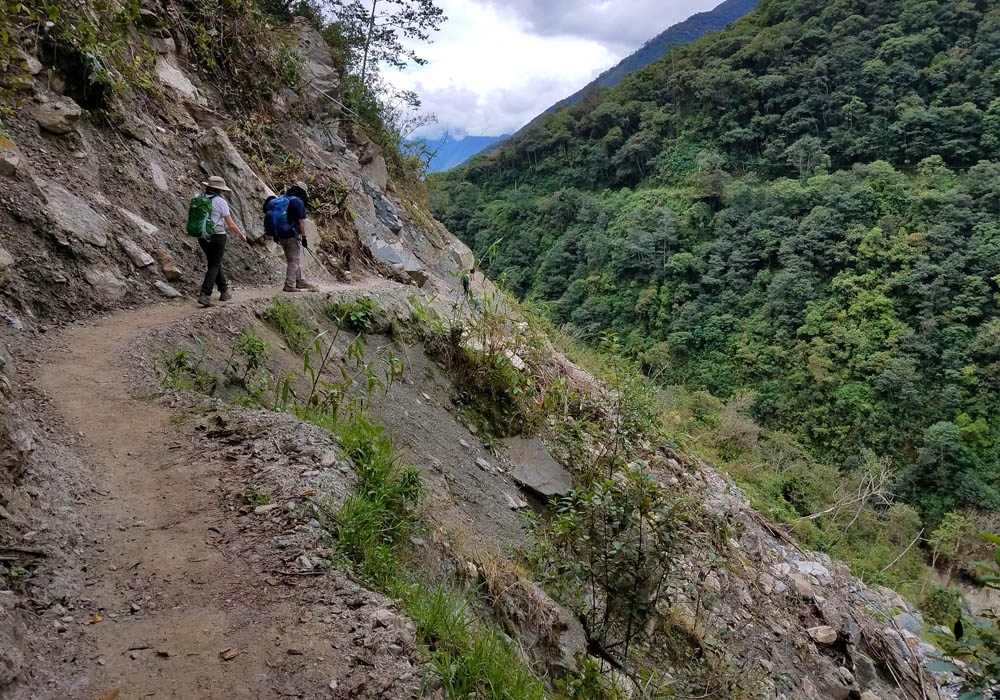

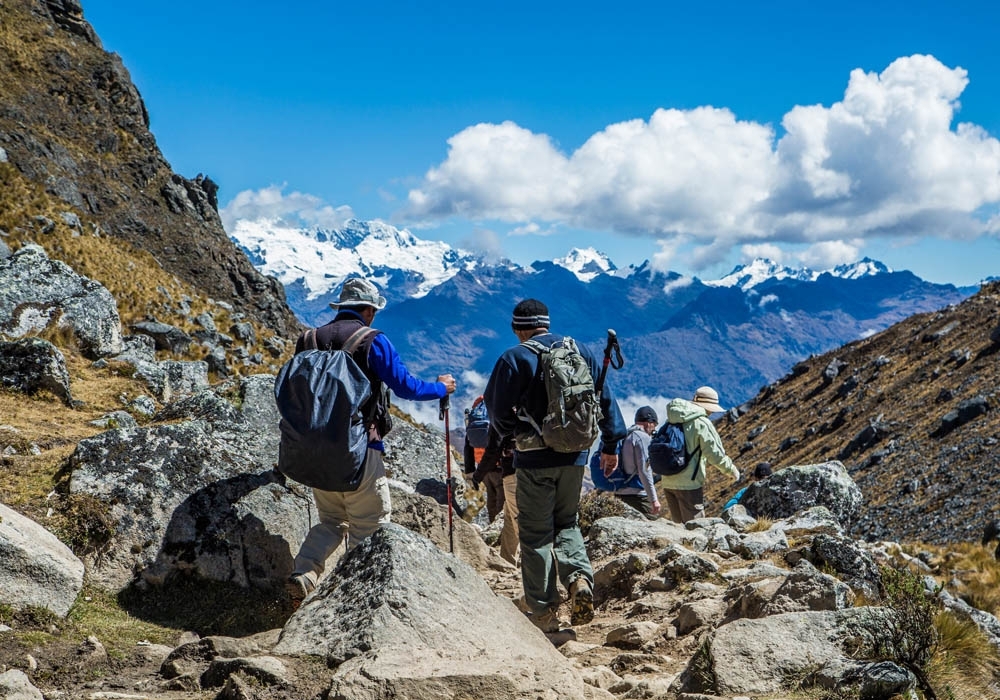
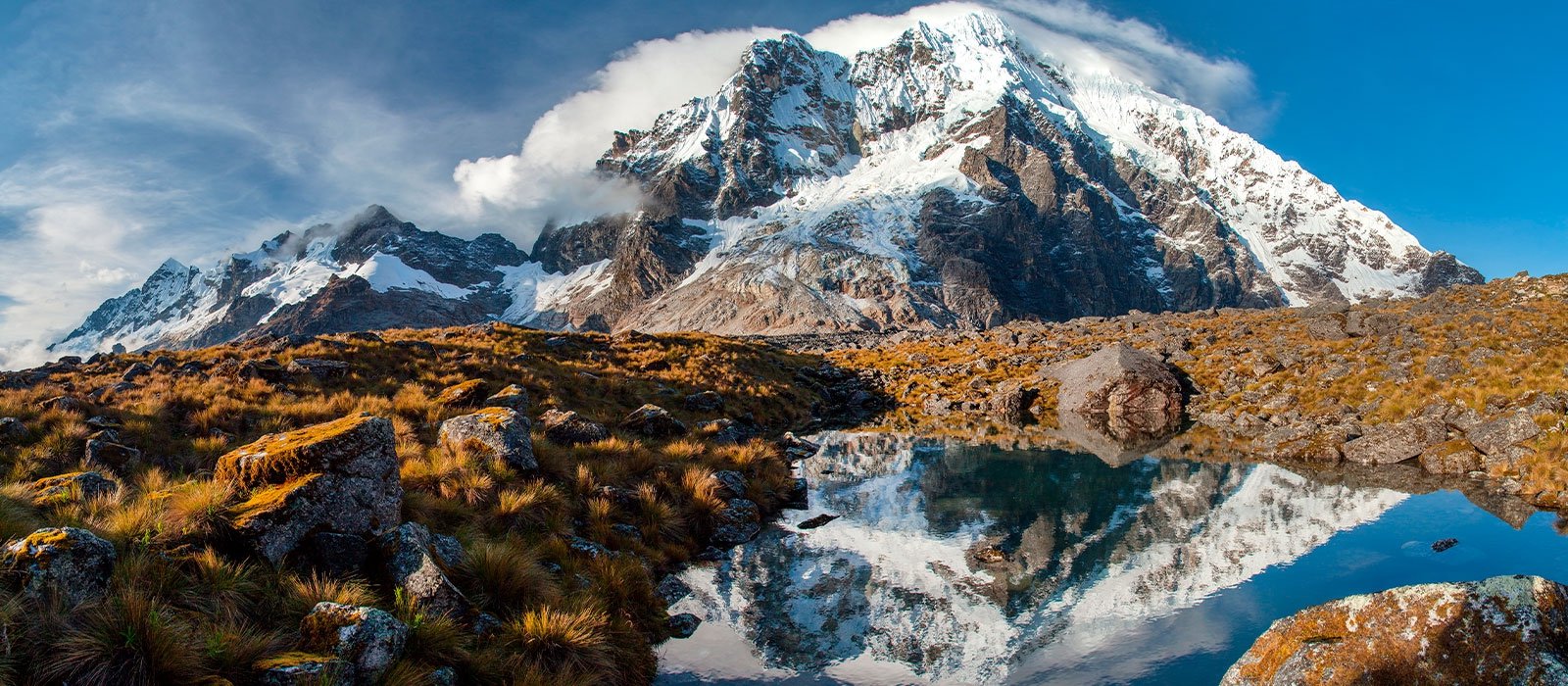
As the sun comes up you begin the steep ascent toward the Salkantay Pass. This is the moment when high altitude, culture, and spirituality combine together. The Salkantay trek altitude and difficulty reach their highest point here, but so do the rewards for your hard efforts. Your guide on the Salkantay trek will share stories of the snow-capped Apus who are considered the local protectors from storms, bringer of fresh waters, fruitful crops and one of the most powerful caretakers in the mountains of the Andes. This is the wild, remote nature that makes the private Salkantay trek or group Salkantay trek discount packages so unique as there are no crowds, only glaciers, and a sacred hush, characteristic of the Andes.
Finally, we descend into Wayracmachay, the landscape softens a little and the air fills with more oxygen, and the fresh scent of the mountains which is unique to this section of the Andes.
Distance: 22 km
Max altitude: 4,630 m
Campsite: 3,800 m
Meals:
All Included
Tour Guide:
Local Tour guide: English/Spanish.
Horseman and Mules:
To carry cooking and camping equipment.

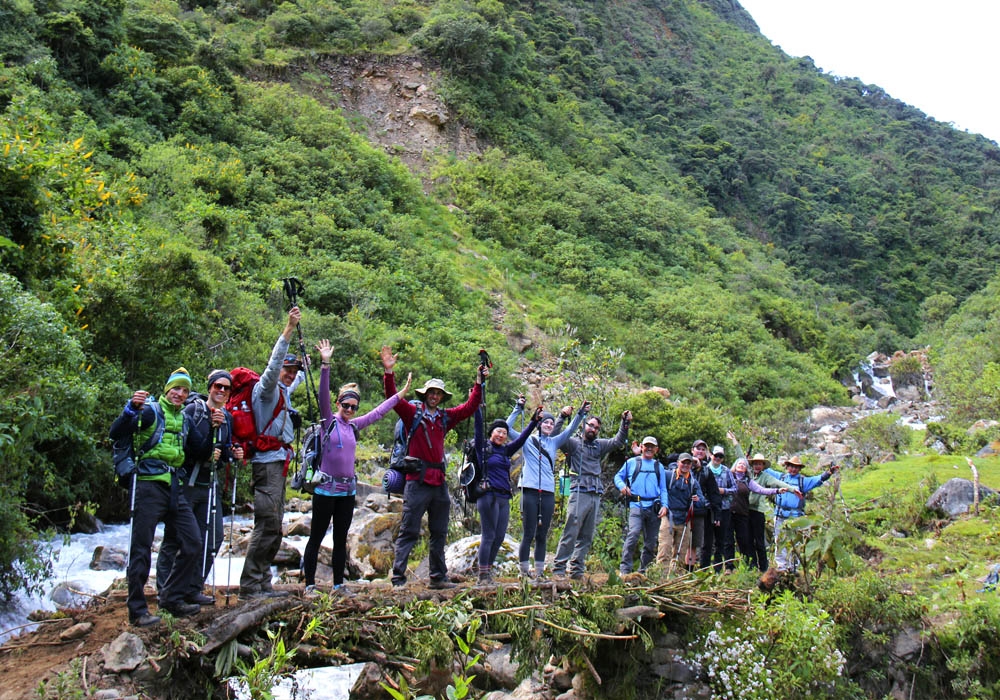
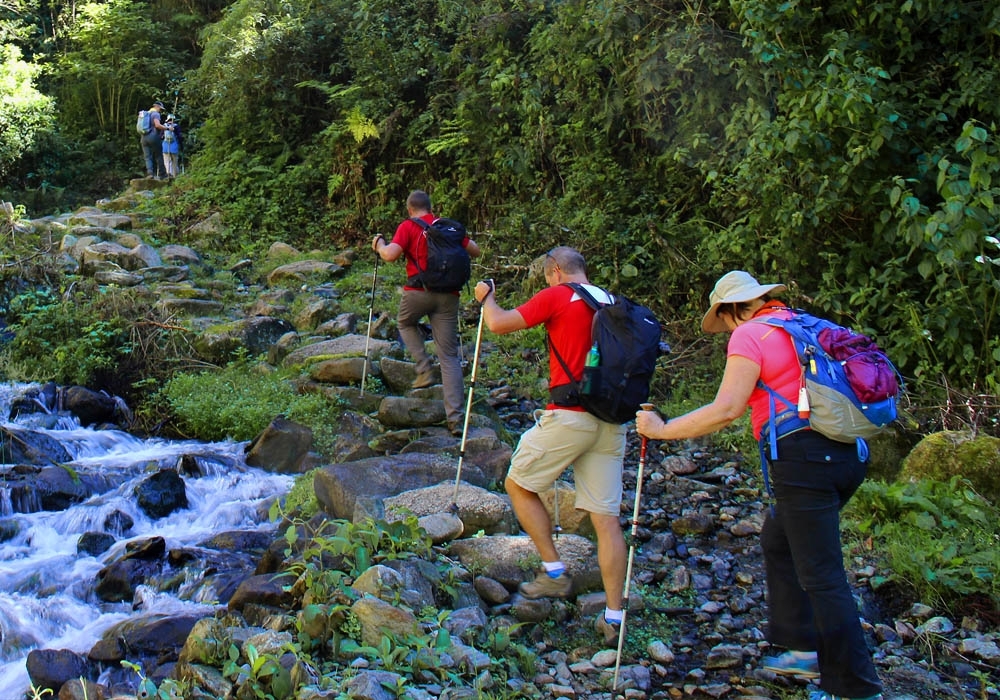
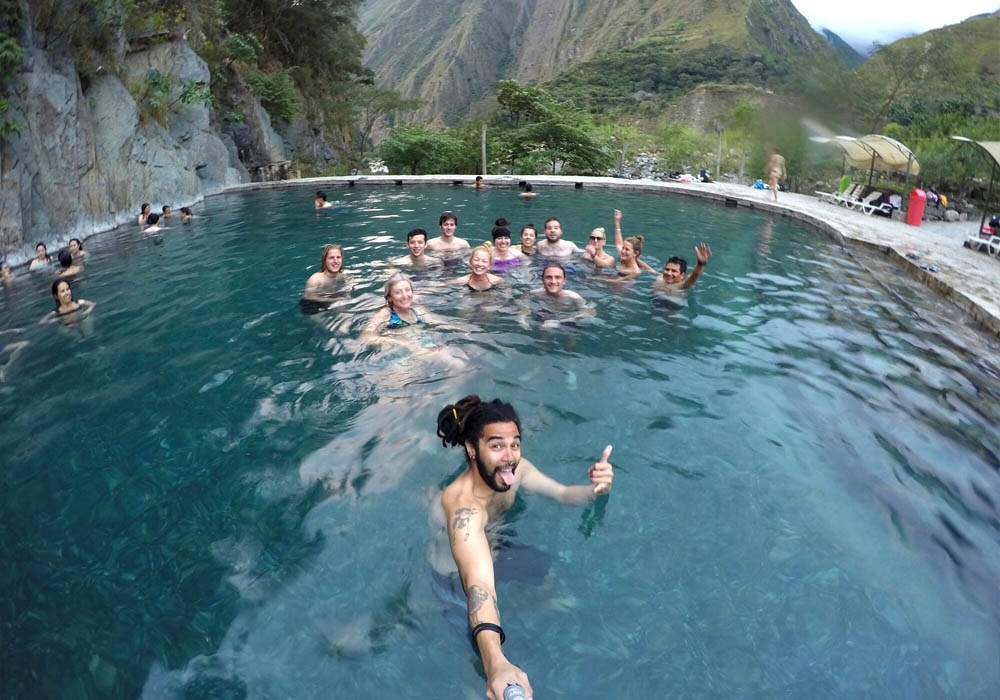
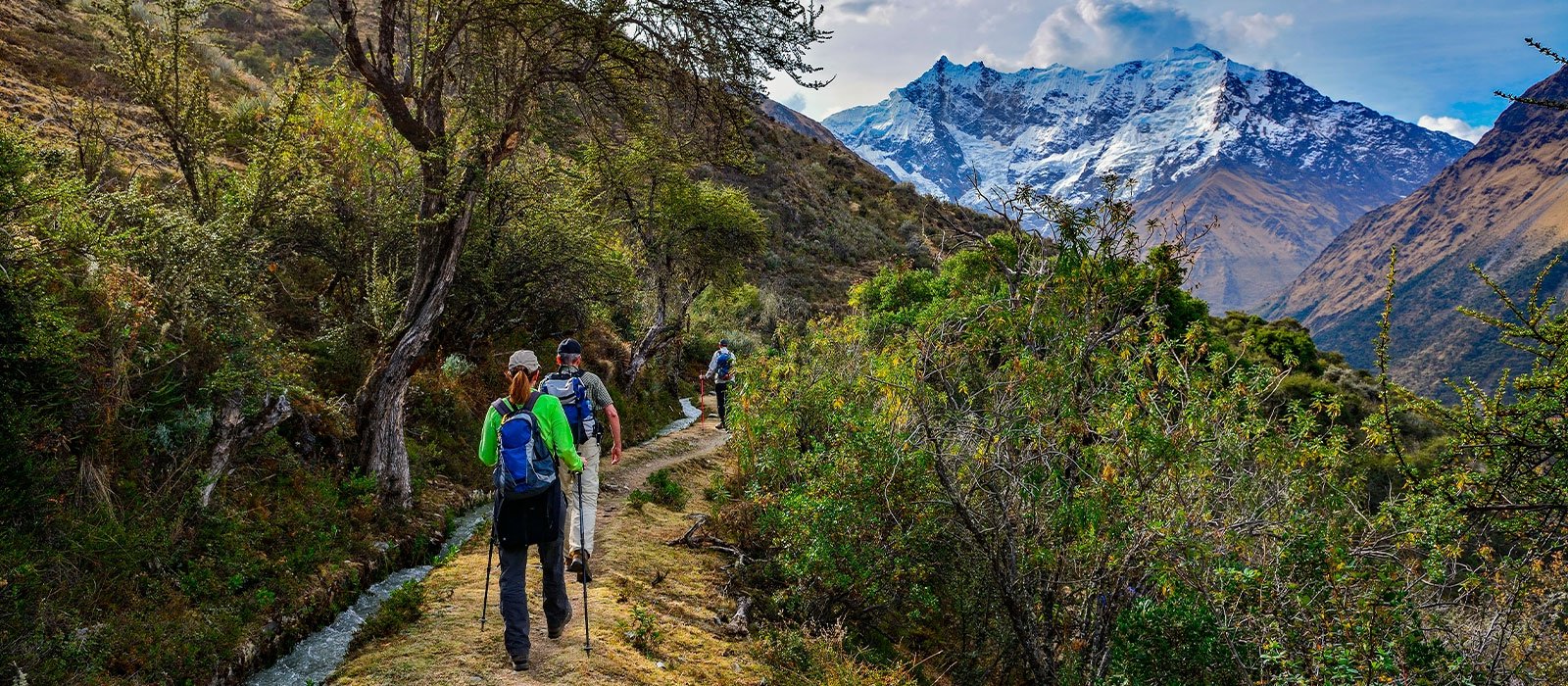
Today is the day we drop down into the cloud forest, which is an ecological transition that feels like walking from one world into another. Bromeliads hang from twisted branches, orchids unfurl beneath filtered light, and hummingbirds flash emerald green colors.
Your Salkantay trek with local guide and porters allows for slow engagement with the environment, with an emphasis on conservation and the protection of fragile ecosystems that surround the ancient Inca pathway to Salkantay.
We will then pass through Collpapampa, which is a cloud forest community known for agricultural richness including coffee, cocoa, mango and avocado as well as traditional healing plants. Your guide shares stories of local cure-alls such as matico, uña de gato, muña, and the role they play, even to this day, in rural Andean life. This day is perfect for travelers researching the best time to hike the Salkantay trek, because climate, clouds, and humidity shift dramatically as you descend into warmer temperatures.
Distance: 16 km
Max altitude: 3,800 m
Camp: 2,000 m
Meals:
All Included
Tour Guide:
Local Tour Guide: English/Spanish.
Camp site:
La Playa (Tent per 2 people).
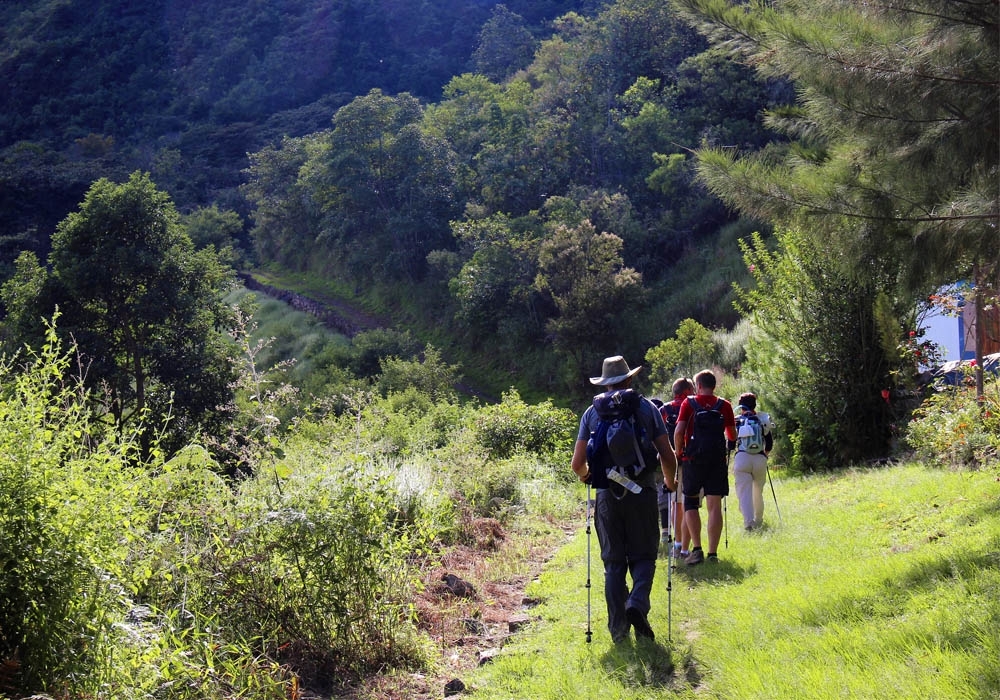

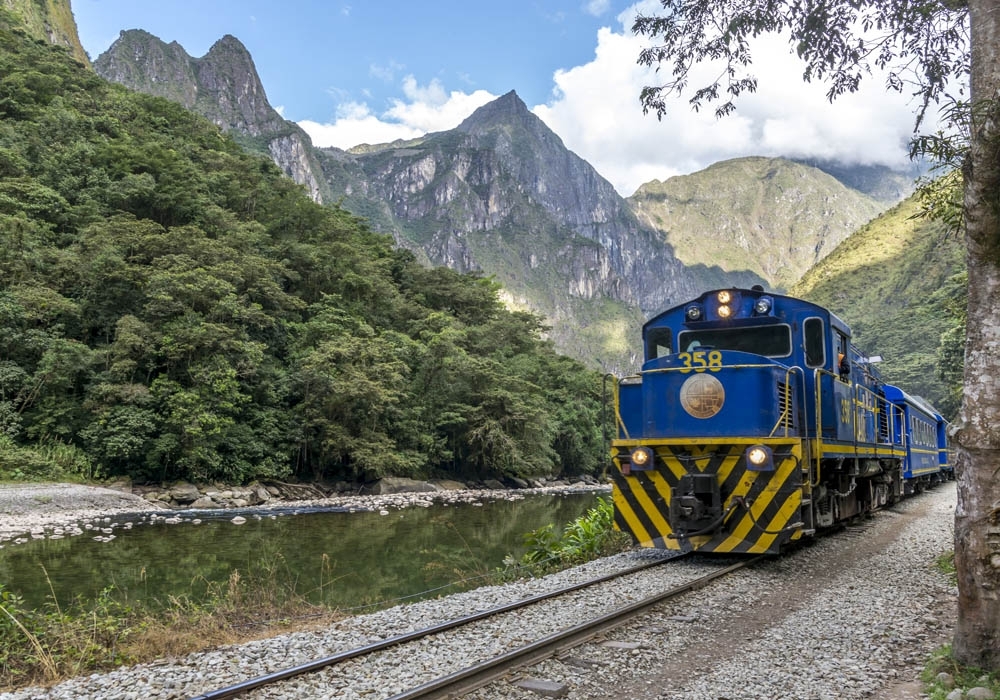

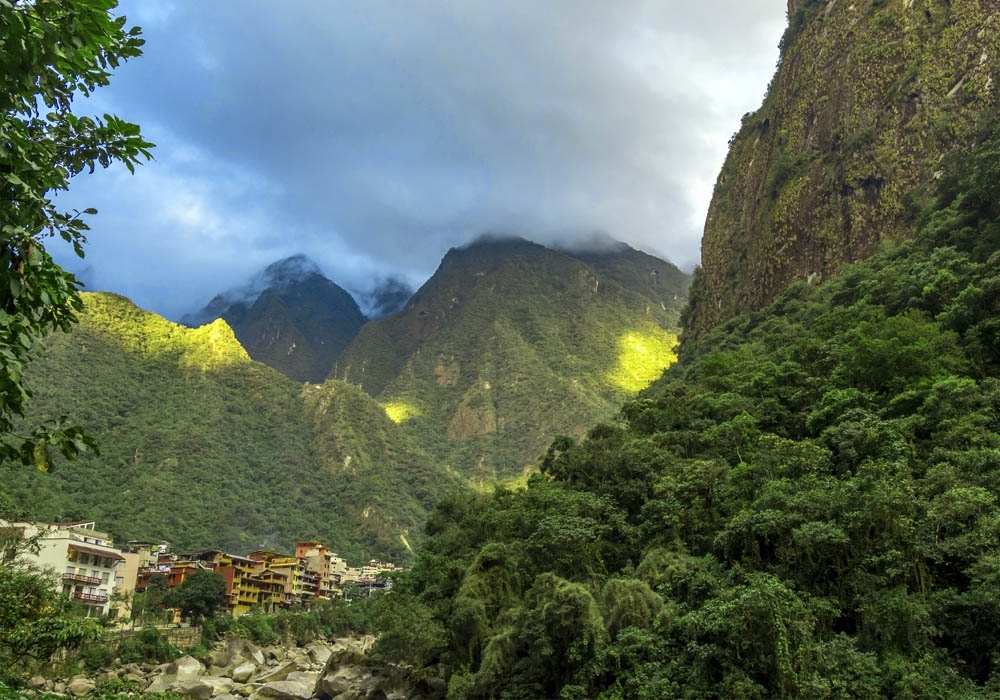
Today begins with a visit to a small family-run coffee farm, where farmers explain how Andean identity is spiritually and economically connected to the land, and to the plants they cultivate, using the seasonal rhythms to guide their lives. This is authentic, locally grounded travel a long, long way away from mass tourism.
After lunch, we will climb an Inca stone trail still used by local quechua communities, to reach the archaeological site of Llactapata, a lesser-known Inca site aligned with sacred mountains and the sunrise.
From here, on a clear day, you see Machu Picchu for the first time, glimmering through the mists of the cloud forest and reminiscent of a Lord of The Rings scene.
This day completely embodies the intimate experience of a luxury Salkantay trek without losing its cultural authenticity, as we head to the town below Machu Picchu, called Aguas Calientes.
Distance: 18 km
Max altitude: 2,700 m
Hotel: 2,040 m
Meals:
All Included
Tour Guide:
Local Tour Guide: English/Spanish
 Hotel:
Machupicchu Adventure House, (or similar) – Standard double Room with private bathroom
Hotel:
Machupicchu Adventure House, (or similar) – Standard double Room with private bathroom
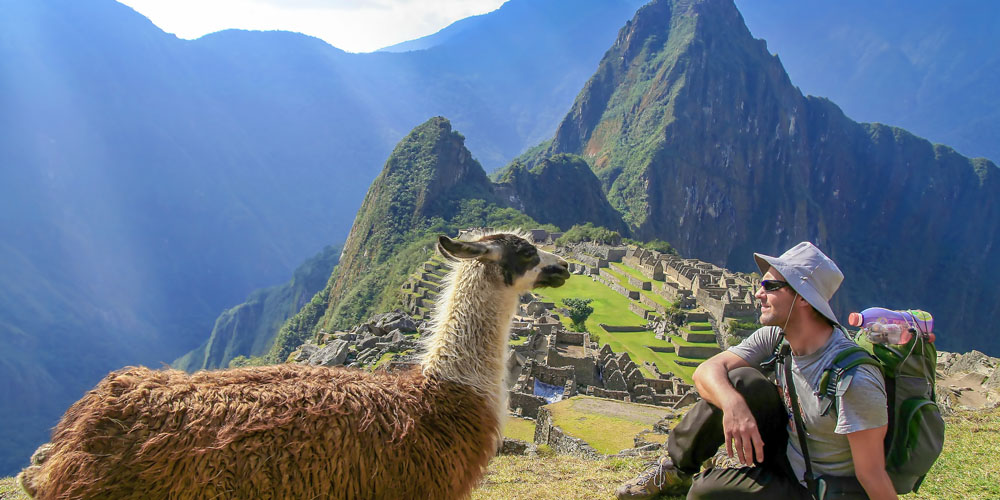


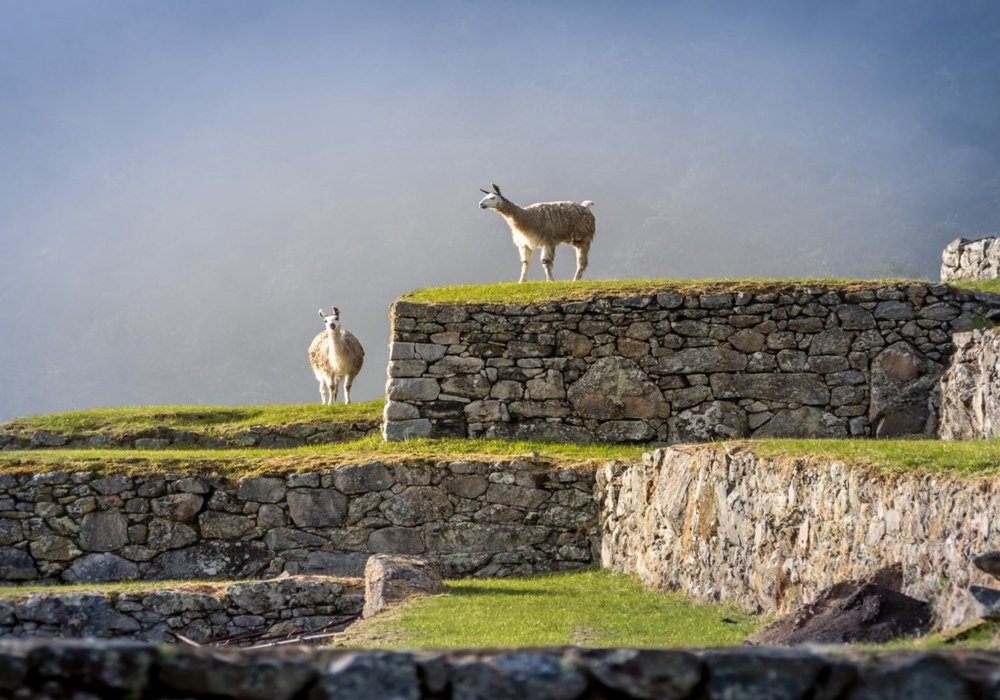
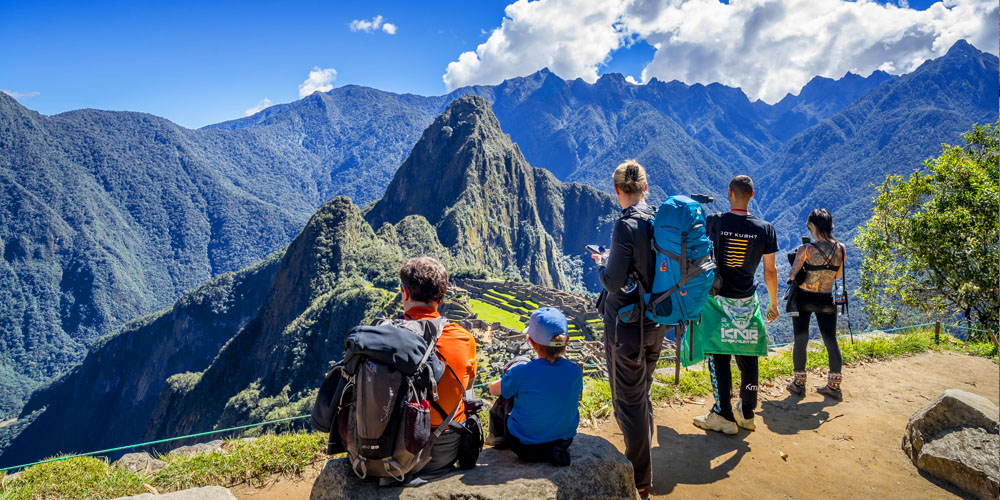
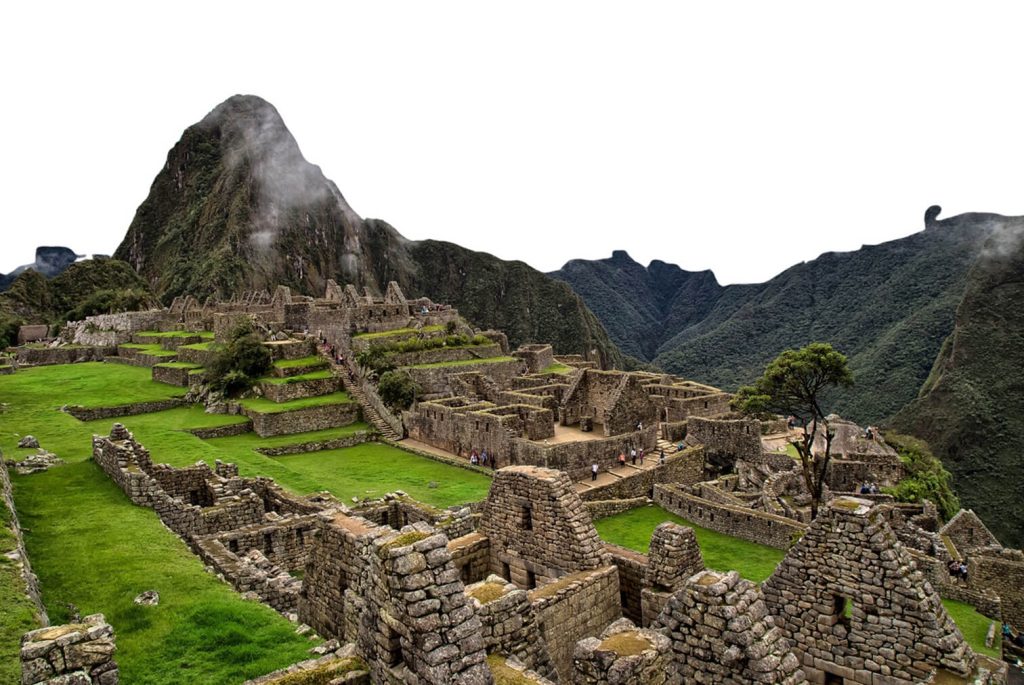
Your final ascent to Machu Picchu takes place at dawn, but this time we travel by bus, when the citadel appears in all its magnificence. Your guide on the Salkantay trek will lead you through temples, terraces, and astronomical observatories that form Machu Picchu with architectural features of a civilisation built into mountains in the most harmonious of ways.
After exploring this ancient Inca sanctuary, you will return to Cusco with a deeper and authentic knowledge of the Andes, as well as a complete and wholesome appreciation of the people who call these lands home.
Distance: 2 km walking inside the site
Max altitude: 2,430 m
Meals:
Breakfast
Tour Guide:
Local Tour guide: English/Spanish.
 Bus:
Aguas Calientes – Machu Picchu – Aguas Calientes (20 minutes approx).
Entrance Fee:
Machu Picchu Citadel
Bus:
Aguas Calientes – Machu Picchu – Aguas Calientes (20 minutes approx).
Entrance Fee:
Machu Picchu Citadel
 Train Ticket:
Aguas Calientes to Ollantaytambo or Poroy.
Transfer:
Ollantaytambo Train Station – Cusco Hotel
Train Ticket:
Aguas Calientes to Ollantaytambo or Poroy.
Transfer:
Ollantaytambo Train Station – Cusco Hotel


Real experiences from fellow travelers who hiked, explored, and shared moments with us. Honest voices to inspire and prepare your own journey.

Have questions about your tour? You’re not alone. Here we cover the most common topics — from packing tips and safety to transportation and accommodations. Whether you’re heading to Machu Picchu, the Amazon, or beyond, this section will help you feel prepared and confident.
The Salkantay trekking route is considered one of the best alternative treks to Machu Picchu because it is the perfect blend of high mountain peaks, cloud forest ecosystems, archaeological sites like Llacatpata and living Andean culture. Many travellers compare the Salkantay trek vs Inca Trail, and go on to choose Salkantay because it offers much more solitude, there are no permit restrictions, and deeper immersion with rural cloud forest communities and coffee farmers.
This trek is the one to go for if you are looking for a varied, authentic hiking adventure with the important element of cultural context, and the best Salkantay trek experiences often feel more personal and less crowded than the classic Inca Trail, for example.
The Salkantay trek altitude and difficulty are moderate to challenging, depending on your fitness and the length of time you acclimatize for. The highest point is the Salkantay Pass at 4,630 m, where thin air and steep ascents require a slower steady pace. A guide on the Salkantay trek will help regulate your rhythm, and share Andean techniques for trekking at altitude. Those who are used to regular hiking usually find the Salkantay challenge rewarding rather than being too over-exerting.
The highest elevation along the Humantay Lake and Salkantay Mountain trek, is the Salkantay Pass (4,630 m), where you stand under the shadow of the Apu Salkantay, one of the most sacred mountains in the quechua peoples´ life. Understanding Sacred Mountain Salkantay apu mythology adds so much more depth to this moment of the trek, turning the highest pass from a physical crossing into a profound cultural initiation.
The good news is that unlike the Inca Trail, you do not need a permit to hike Salkantay. This makes planning for the trek more flexible and ideal for trekkers deciding between the Salkantay trek vs Inca Trail. Some agencies offering a private Salkantay trek or group Salkantay trek discount packages may require advance booking, which is especially the case in high season.
Our trekking packages combine Salkantay trek with camping and hotel night at rustic but comfortable campsites in the mountains, and a hotel in Aguas Calientes on the 4th night, before the Machu Picchu visit.
On our luxury packages, we offer upgraded glamping for trekkers choosing a luxury Salkantay trek experience.
Yes. We offer flexible pacing, extra cultural stops, coffee-farm experiences, or slower acclimatization days on the private Salkantay trek.
Customizing your 5-day Salkantay Trek Peru allows you to to make the most of your Peru vacations by trekking along incredible trails through the Andes of Peru.
All of our trekking packages include a Salkantay trek with local guide and porters, camping equipment, meals, transportation, entrance to Machu Picchu, and one hotel night. It is always a good idea to check your list of inclusions so you know exactly what to bring or hire to make the trek a perfect one.
The dry season (May–October) is generally considered the best time to hike the Salkantay trek, with crisp mornings, stable weather, and clearer mountain views.
The shoulder seasons (April–early May and October) is the time of the year for fewer trekkers (as long as you don’t mind the odd shower) and temperatures are warmer at the higher elevations
You may be lucky enough to encounter hummingbirds, vizcachas, Andean geese, orchids, and abundant cloud-forest bird species. Responsible operators like Machu Picchu Peru, trek in small groups, travel quietly, and follow conservation guidelines to preserve the Trail and hike positively.
Each day´ s hiking times vary from 5 to 10 hours, depending on the altitude at which we are trekking that day. Your group’s pace will be dictated by your professional guide, and of course the weather conditions play a part. Our well-trained guide on the Salkantay trek will manage rest stops so no one feels rushed.
It is important to spend at least two nights in Cusco before starting your Salkantay trek to Machu Picchu. Make sure you are well-hydrated, eat light meals, and maintain a steady pace along the route. Your guide will share traditional methods of managing the high elevation. These include, drinking coca or muña tea!
We’ll help you find inspiration from history, flavors, and travel tips so you can plan the best trip to Peru tailored to your needs. That’s why we’ve compiled this collection of knowledge so you can take home the best of our land.
We are more than a team: we are guardians of a living history,
AND YOU TOO!
When you travel with us, every
step supports people, culture,
and nature.
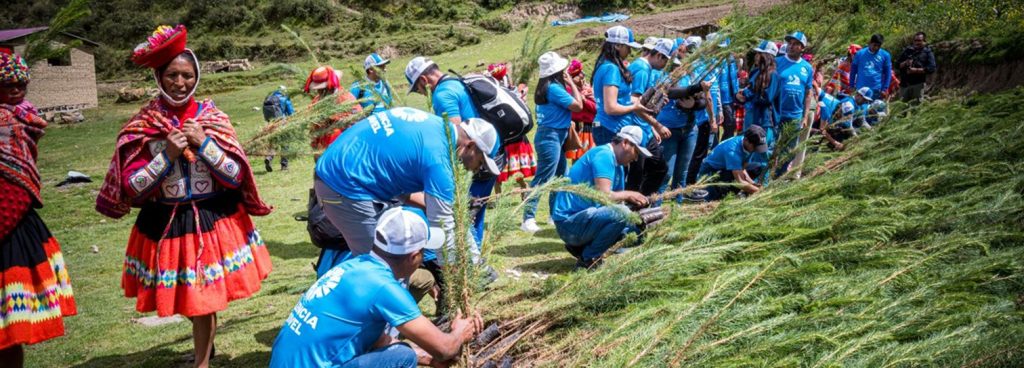
Your journey helps local communities thrive, protects traditions, and contributes to the conservation of Peru’s landscapes. Together, we create positive impact with every trip.



Certified by international standards and proud members of leading travel organizations, your journey is in safe hands.